
For years, words “Polish” and “horror” next to each other were enough to start off a whole range of defensive reactions. Disbelief, a smile, sometimes leniency. Because Polish cinema can be heavy, social, historical, about war, preferably mixed with November’s ankle-deep mud. But, to scare? And for real?
Julia Henel
One of the most important points on this rather modest map of our native terror is The Wolf by Marek Piestrak. The film, shot in 1982 and distributed in 1983, is a period drama about a curse, revenge from beyond the grave and a woman coming back as a wolf. Today, it may spark off different emotions than forty years ago, but the fact that such a film was produced in the Polish People’s Republic, is significant. It has shown that Polish history, local beliefs, a manor house and a forest can serve as a horror material. Importing a haunted house from English moorlands isn’t necessary. Taking a look into our own basement is enough.
The problem is that after The Wolf no permanent scaring industry was established. Horror appeared rather unexpectedly, like an uninvited guest. Came in, caused confusion, and left again for a few years. That’s why, when today we hear the phrase “Polish horror”, a warning lamp turns on. We don’t ask “Will it be scary?”. Our first question is “Won’t it be funny?”
“I think that we are slowly quitting being ashamed of horror”, says Bartosz M. Kowalski - “For many years there has been a belief in Poland that genre cinema is something less serious by definition, something worse and if a film has artistic ambitions, it would be best not to call it a horror too easily.”
“We don’t have a genre cinema industry yet, in the sense of ones existing in many other countries,” he adds. “Here, every horror is a bit of an individual experiment.”
It’s hard to find a better example than his filmography. Nobody Sleeps in the Woods Tonight is a slasher. A group of youngsters, wilderness, a murderer and more bodies. Hellhole makes towards occultism and monastery terror. Night Silence uses horror elements to tell a story about old age, loneliness and passing. 13 Days till Summer locks young characters in a house and mixes slasher with home invasion. We can’t build a consistent “Polish horror style” out of this. But is it really a flaw?
Kowalski acknowledges the vicious circle we have been stuck in for many years. For some institutions, horror is too commercial to be considered artistic cinema. For producers and distributors, it’s sometimes too niche to be treated as a safe investment.
“We don’t make horrors because there are no on the market, and the market doesn’t develop because there are no horrors”, says the director.
It’s even more interesting that young filmmakers don’t run away from this genre. Conversely, they jump right in, often by their first feature film, without many years of a safe run-up. And they don’t want only to scare.
Agata Trzebuchowska takes horror and makes it her debut. SICK is a coming-of-age story - a sixteen-year-old Maks spends his summer holidays in Masuria, together with his sister Emma, looking after their ill grandmother. A place well-known from their childhood, suddenly stops being a safe haven. Adolescence mixes with corporality, desire, shame and taboo. There isn’t a classic beast jumping from behind the door. A monster is born somewhere in between the characters.
-
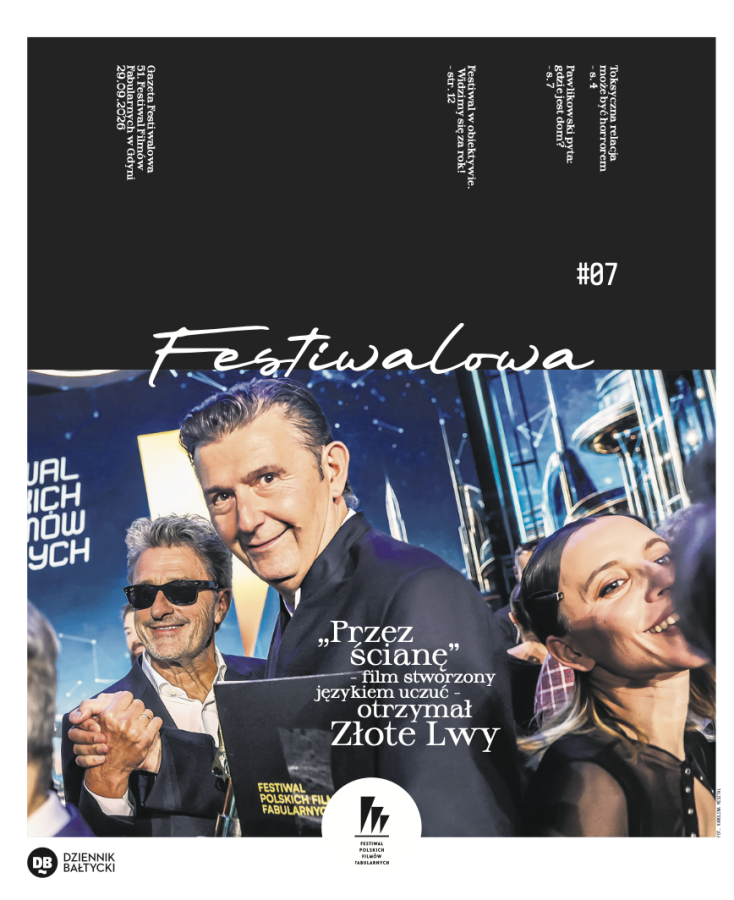 Gazeta Festiwalowa numer 7
 -
 Październikowe odsłony „50 na 51”
 -
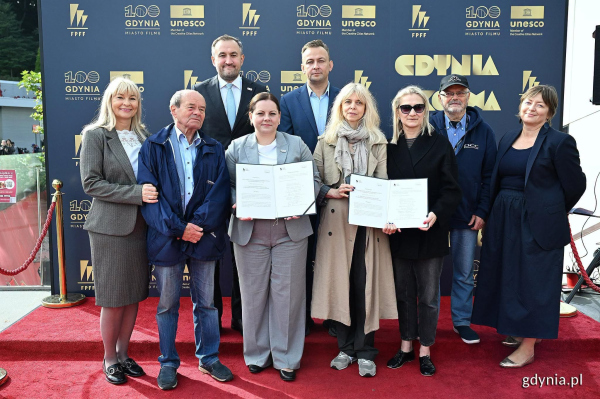 Srebrny Festiwal. FPFF dla osób starszych
 -
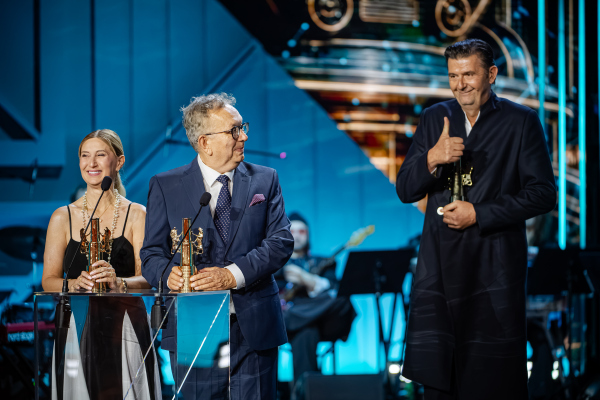 Closing Gala of the 51st Polish Film Festival – photo report
 -
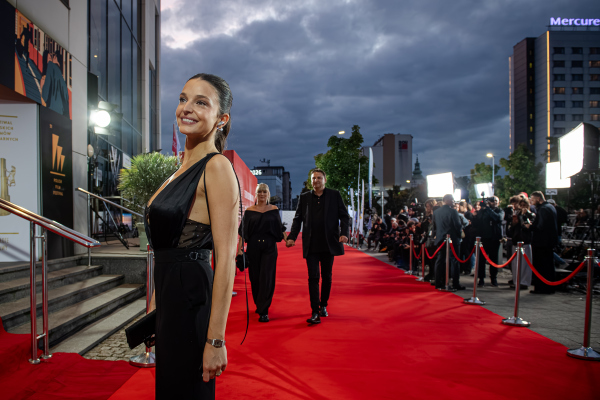 RED CARPET – photo report
 -
 Day six of the 51st PFF – photo report
 -
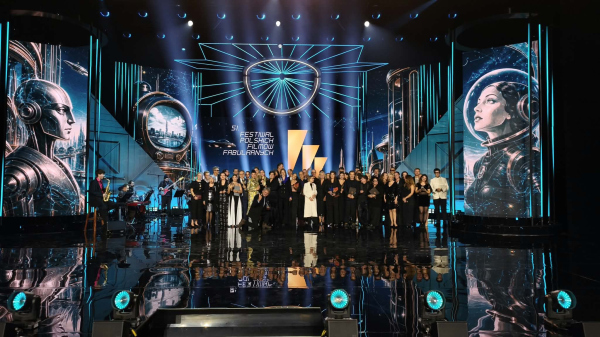 WINNERS OF THE 51ST PFF
 -
 What’s in store for today? SATURDAY
 -
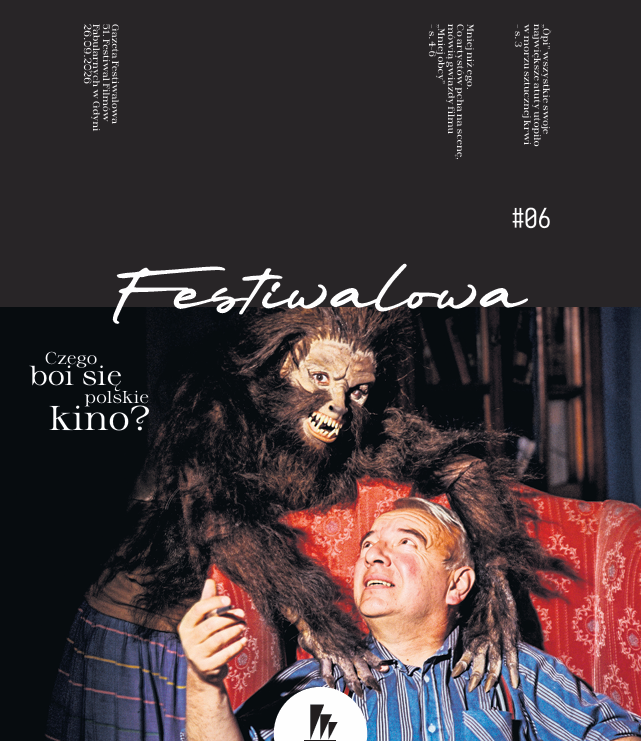 Festival Newspaper No 6
 -
 51st PFF Newsreel - Episode 5
 -
 The Apostles of Rock’n’Roll.
 -
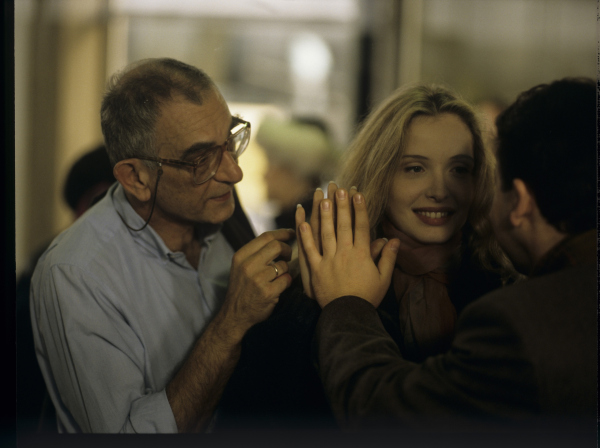 Notions of Intertextuality in the Cinema of Krzysztof Kieślowski
 -
 The architects of chaos. How do women backstage at the PFF save the celebration...
 -
 YOUNG GALA – photo report
 -
 Day five of the 51st PFF – a photo report on festival life and accompanying...
 -
 Day five of the 51st PFF – photo report


