
Bijan (Hassan) Tehrani
Iran / USA
Thirty years after the passing of Krzysztof Kieślowski, his cinema continues to speak with extraordinary clarity to audiences across the world. Few filmmakers have managed to transcend the historical moment in which they worked as completely as he has. Political systems have changed, ideological conflicts have evolved, and cinema itself has undergone a profound transformation in the digital age. Yet the moral questions that lie at the heart of Kieślowski's work remain as urgent today as they were when The Decalogue, The Double Life of Véronique, and the Three Colours trilogy first appeared.
Many great directors leave behind unforgettable images. Others revolutionize cinematic form or redefine storytelling. Kieślowski achieved something even more enduring. He transformed cinema into a space for moral reflection. His films rarely ask who is right or who is wrong. Instead, they invite us to consider how ordinary people struggle to live honestly in a world where certainty is almost always beyond reach. They remind us that compassion begins when judgment ends and that the deepest truths often emerge not through certainty but through doubt.
For this reason, Kieślowski occupies a unique position in world cinema. His work belongs unmistakably to Poland and to the cultural and historical experience of Eastern Europe, yet it has never remained confined there. His films travel easily across languages and cultures because they address questions that belong to every society: responsibility, guilt, memory, coincidence, love, loss, forgiveness, and the mysterious connections that bind one human life to another.
As an Iranian American film critic who has devoted more than four decades to writing about both Iranian and international cinema, I have long been fascinated by the dialogue that quietly developed between Kieślowski's work and Iranian intellectual cinema. Although no direct artistic movement linked Poland and Iran, many Iranian filmmakers, critics, and students discovered in his films something profoundly familiar. They recognized an artistic vision that trusted ambiguity over certainty, compassion over ideology, and moral inquiry over simple answers.
Compassion has replaced judgement
During the late 1980s and throughout the 1990s, as Iranian cinema itself was gaining increasing international recognition, Iranian filmmakers, critics, and film students were also looking outward, searching for voices that could broaden their understanding of what serious cinema could achieve. Among the European directors who left a lasting impression, Kieślowski occupied a place of special importance.
Although access to international cinema in Iran was often limited, his films nevertheless found devoted audiences. They reached viewers through film festivals, cultural centers, university film clubs, private screenings, and the informal circulation of videotapes among cinephiles. Every new opportunity to watch one of his films was welcomed enthusiastically. For many young filmmakers and students, discovering The Decalogue, The Double Life of Véronique, or later the Three Colours trilogy became an important moment in their artistic education.
-
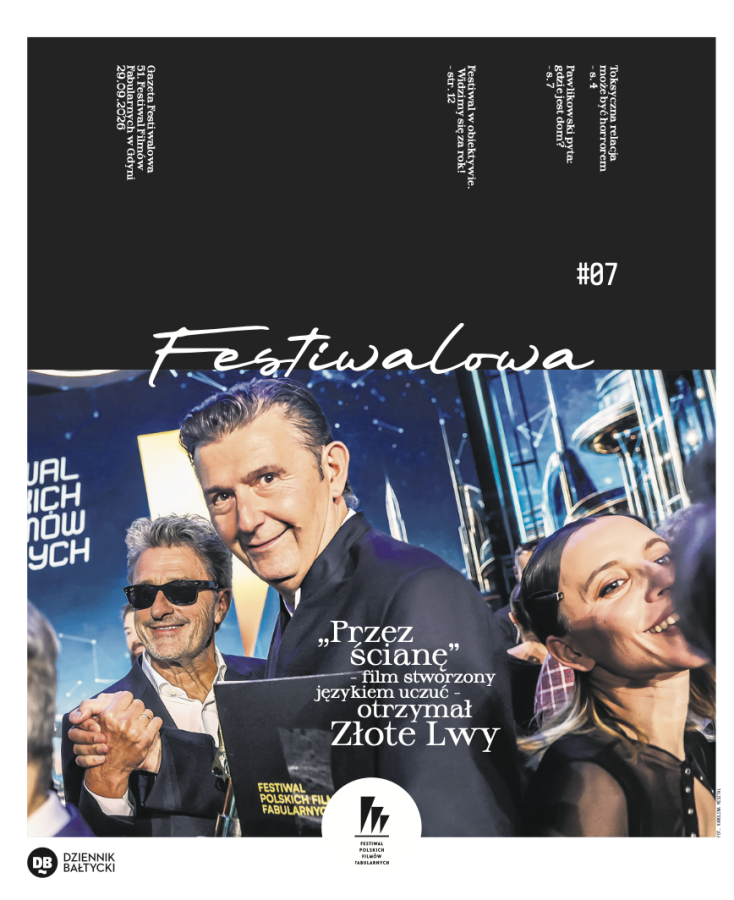 Gazeta Festiwalowa numer 7
 -
 Październikowe odsłony „50 na 51”
 -
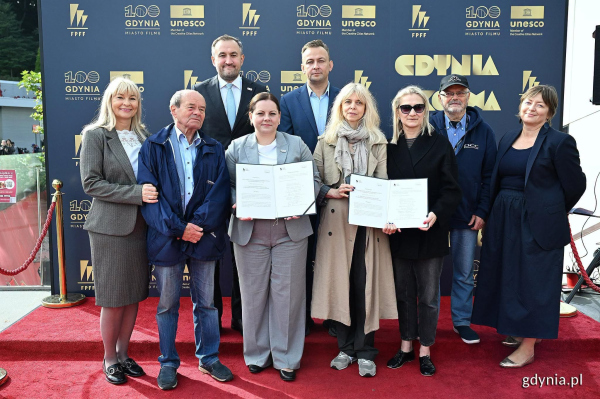 Srebrny Festiwal. FPFF dla osób starszych
 -
 Closing Gala of the 51st Polish Film Festival – photo report
 -
 RED CARPET – photo report
 -
 Day six of the 51st PFF – photo report
 -
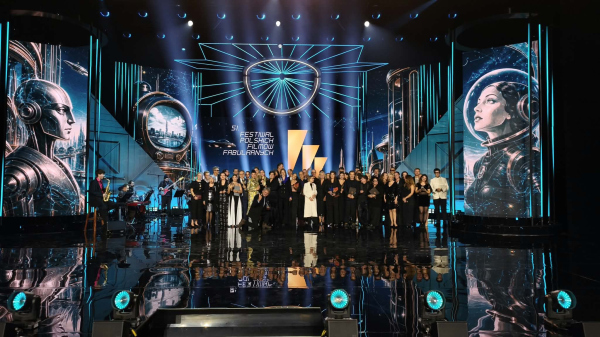 WINNERS OF THE 51ST PFF
 -
 What’s in store for today? SATURDAY
 -
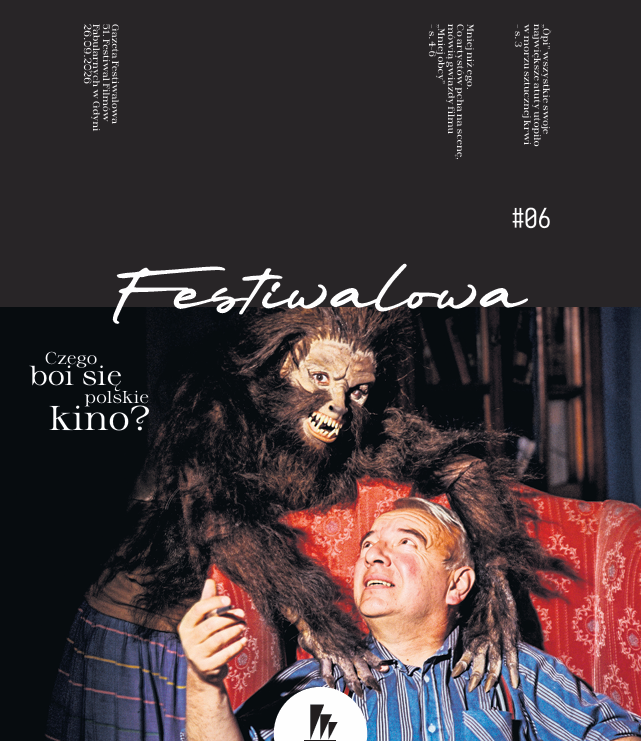 Festival Newspaper No 6
 -
 51st PFF Newsreel - Episode 5
 -
 Horror lies underneath
 -
 The Apostles of Rock’n’Roll.
 -
 Notions of Intertextuality in the Cinema of Krzysztof Kieślowski
 -
 The architects of chaos. How do women backstage at the PFF save the celebration...
 -
 YOUNG GALA – photo report
 -
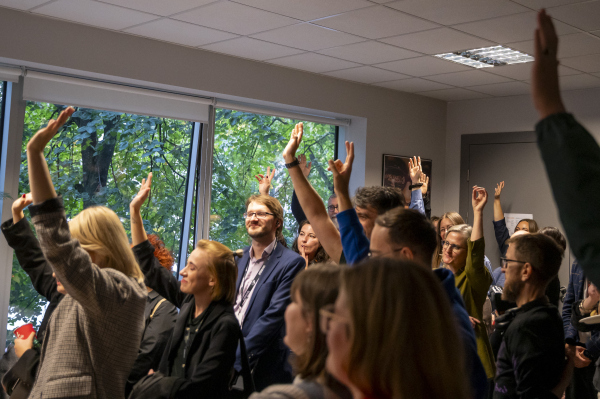 Day five of the 51st PFF – a photo report on festival life and accompanying...


