
Weronika Zarzecka
The world of Maria Wider thickens slowly. Glued with congealed blood from a fresh wound on a calf and with flat beer in a plastic cup from a local fair. It flows between the cascades of well-known liquids of youth, until it flows alongside them - amidst the sea of tears sunken in a pillowcase, sweat that gathers under a collar on summer evenings, saliva shared between awkward, yet excited, lips and sticky floods of whipped cream on a crispy waffle.
Such a flowing youth is painfully unpredictable. Torn between regular surges of excitement and hectic drain of last bits of hope, it flows straight onto beaches cluttered with all loneliness that a seventeen-year-old Nina is able to contain.
Everything in this film flows in that manner: a ruthless hit of a wave and a soundless unveiling of the sea bed right after. The youth in Wider’s world is not a static portrait but a constant swinging motion between the boiling state and a sudden still frame of ice-cold isolation.
In Liquid States Nina and Miki look for stability, or at least some forms of solid foundation, in this never-ending melting. However, many things are against them, such as the search for the mythical ‘I’ or a difficult relationship with the father, who seems like he is trying but we all know what hell is paved with, especially when an ungraceful shadow of the previously lost trust follows someone.
Instead of an idyllic, holiday reconciliation we get a collision of a stereotypical teenage initiation, which is typical for genre films, with a smell of a musty holiday cabin in masurian reality and the unfamiliarity of a man, who has already forgotten how to communicate with their own child.
-
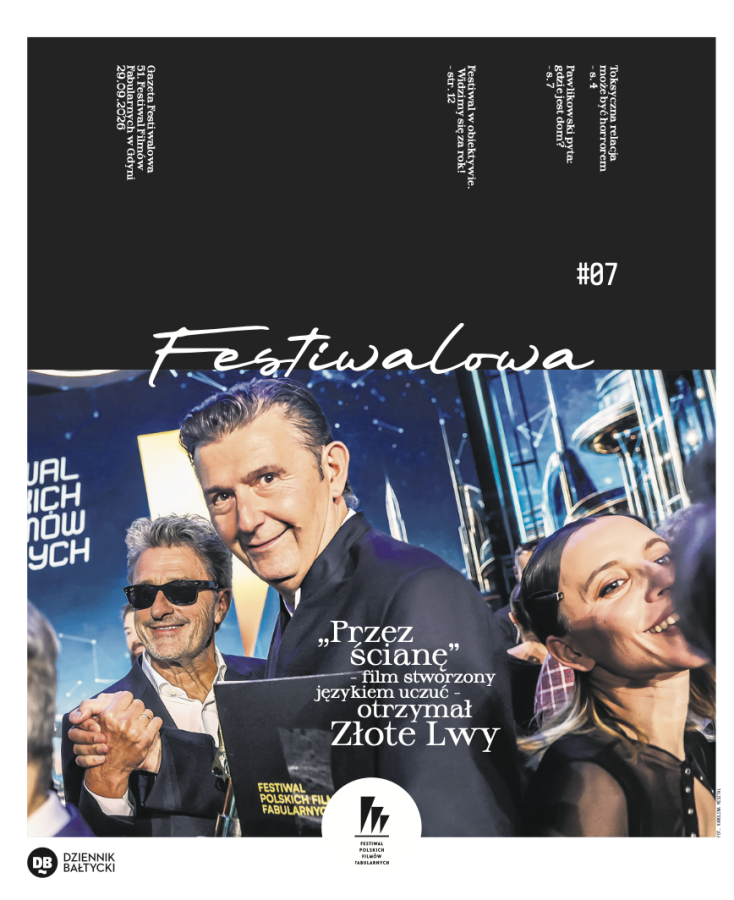 Gazeta Festiwalowa numer 7
 -
 Październikowe odsłony „50 na 51”
 -
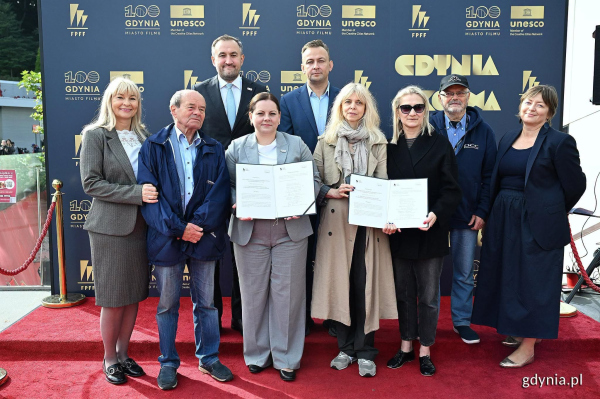 Srebrny Festiwal. FPFF dla osób starszych
 -
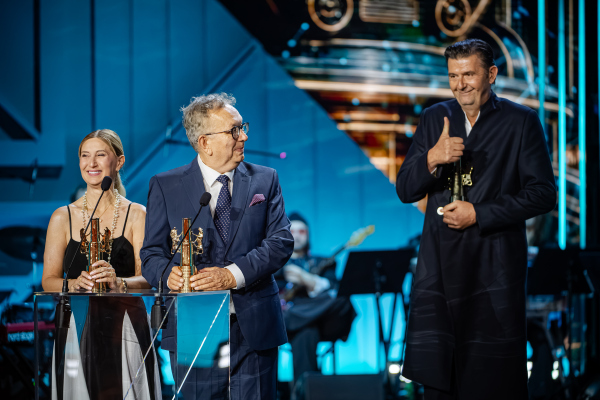 Closing Gala of the 51st Polish Film Festival – photo report
 -
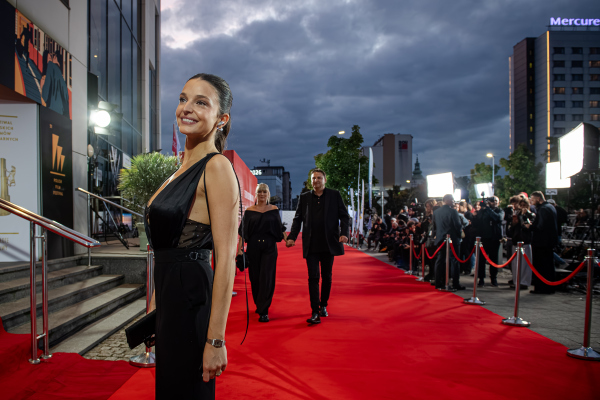 RED CARPET – photo report
 -
 Day six of the 51st PFF – photo report
 -
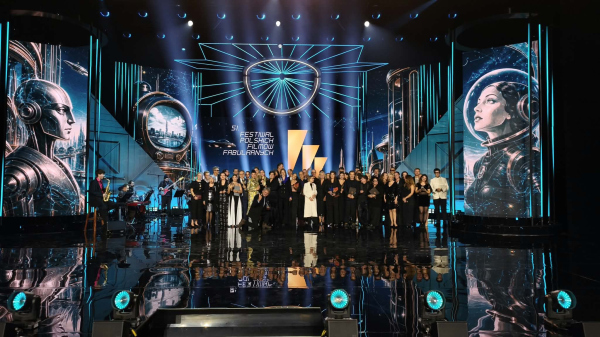 WINNERS OF THE 51ST PFF
 -
 What’s in store for today? SATURDAY
 -
 Festival Newspaper No 6
 -
 51st PFF Newsreel - Episode 5
 -
 Horror lies underneath
 -
 The Apostles of Rock’n’Roll.
 -
 Notions of Intertextuality in the Cinema of Krzysztof Kieślowski
 -
 The architects of chaos. How do women backstage at the PFF save the celebration...
 -
 YOUNG GALA – photo report
 -
 Day five of the 51st PFF – a photo report on festival life and accompanying...


