

Some rivers have been sucked out from Łódź, others have been buried. Few waters, which by other cities would be called at most a stream or, if especially mean - a trickle, have been left on the surface. Małgorzata from Łódź has found herself in a situation, where, just like her city, she was drained. Our main character decides to set off on a journey in order to find new rivers, both for Łódź and herself. But there is one hindrance - she is still asleep.
Małgorzata is late for her trip. By watching her rush, one may feel an urge to shout at her and beg her to stop running and finally have a good sleep but she wouldn’t be able to hear that anyway since she would have already been somewhere else. The lateness is not her fault though. She has been deceived and doesn’t know the time. In her dream she heard that she can sleep, that there’s still time, even though there wasn’t any left.
Speaking about rivers, it’s worth mentioning the springs. And in the film most scenes come from authentic situations from Łódź city reality. Many groups tour the region of Łódź but the one that happened to be an inspiration for Małgorzata’s journey is a local association PTTK Stonoga.
At the beginning of every journey, the guide warns the participants that people belonging to the PTTK association have insurance and the ones who don’t belong, go on their own responsibility. From the moment I heard that, I knew that Małgorzata wouldn’t have dared to go without insurance. She would in fact go the extra mile – choose a longer, indirect route, jump into a river, storm a copy shop. Her tenacity is strong but ineffective. The copy shop, in which since many years have hung a piece of paper saying “we do not accept saliva-stained papers for copying” is also an example from the real-life Łódź. Kasprzak Street exactly.
-
 Gazeta Festiwalowa numer 7
 -
 Październikowe odsłony „50 na 51”
 -
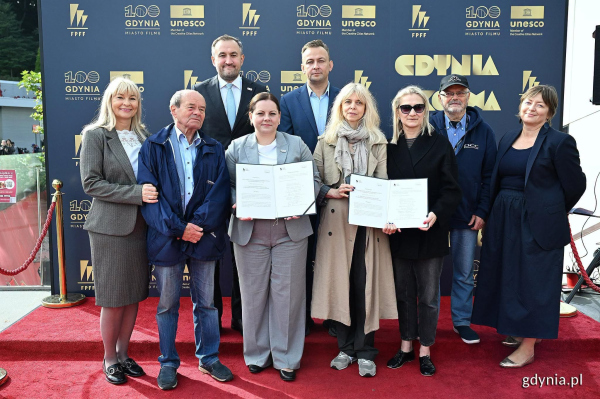 Srebrny Festiwal. FPFF dla osób starszych
 -
 Closing Gala of the 51st Polish Film Festival – photo report
 -
 RED CARPET – photo report
 -
 Day six of the 51st PFF – photo report
 -
 WINNERS OF THE 51ST PFF
 -
 What’s in store for today? SATURDAY
 -
 Festival Newspaper No 6
 -
 51st PFF Newsreel - Episode 5
 -
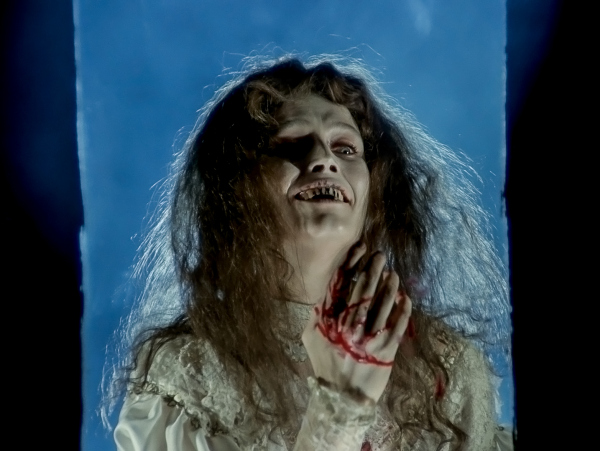 Horror lies underneath
 -
 The Apostles of Rock’n’Roll.
 -
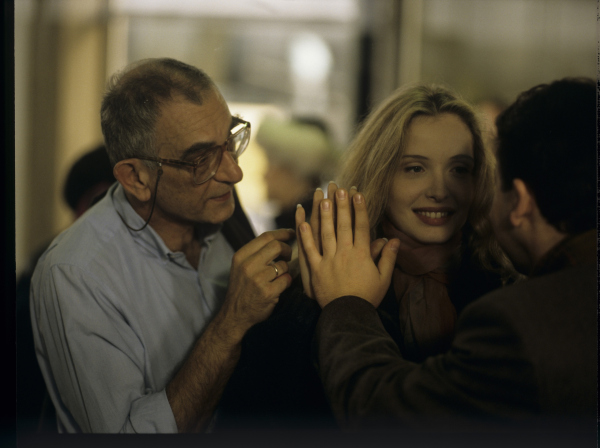 Notions of Intertextuality in the Cinema of Krzysztof Kieślowski
 -
 The architects of chaos. How do women backstage at the PFF save the celebration...
 -
 YOUNG GALA – photo report
 -
 Day five of the 51st PFF – a photo report on festival life and accompanying...


