
I realise that talking about the process of coming up with the idea for and writing a 15-minute film might seem a bit silly. And yet, it’s a topic worth exploring. In my view, the most important part happens just before stepping onto the set, on a sheet of paper. In this case, there were five sheets.
The director and screenwriter Adam Porębowicz (Macocha, Szczerość) came to me with the idea for Spiritus Sanctus. The film’s concept had it all – an absurd situation, a protagonist, and an unconventional perspective. Adam proposed three storylines: the story of Bogdan, who goes out to get a bottle of vodka during the Pope’s ban on alcohol; the story of a certain wand-wielder; and a scene set in a television studio.
During our initial informal discussions, we realised that Bogdan’s story contained all the most interesting elements and that three stories would be too long for a short film. I won’t even mention the production side of things – filming three historical storylines seemed an almost impossible task given the constraints of our budget. Looking back, I think we made the right decision. We ended up with a proper ‘short’.
-
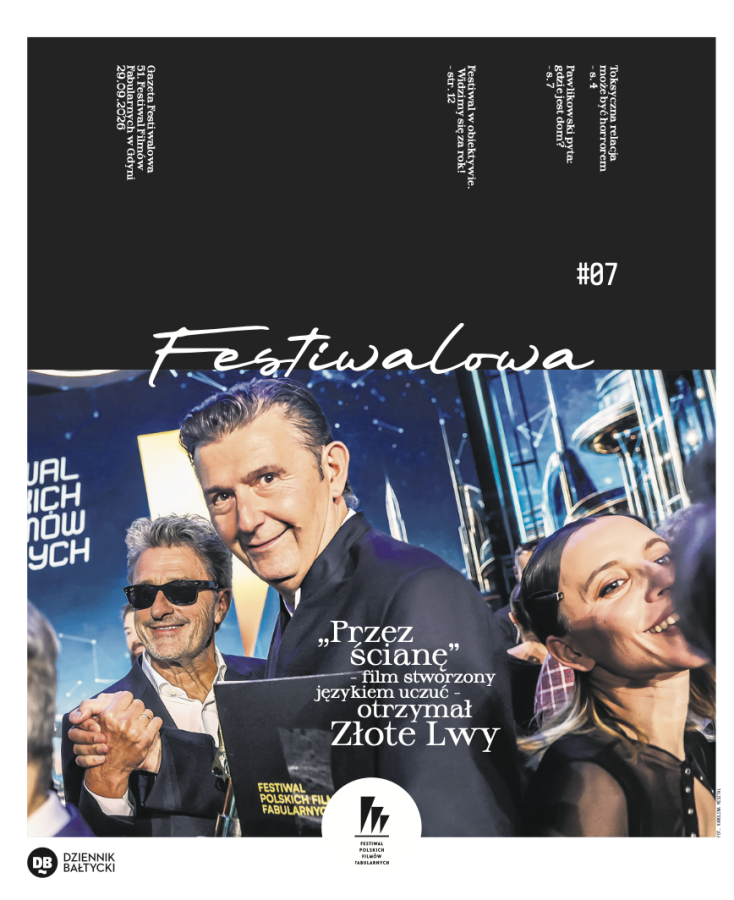 Gazeta Festiwalowa numer 7
 -
 Październikowe odsłony „50 na 51”
 -
 Srebrny Festiwal. FPFF dla osób starszych
 -
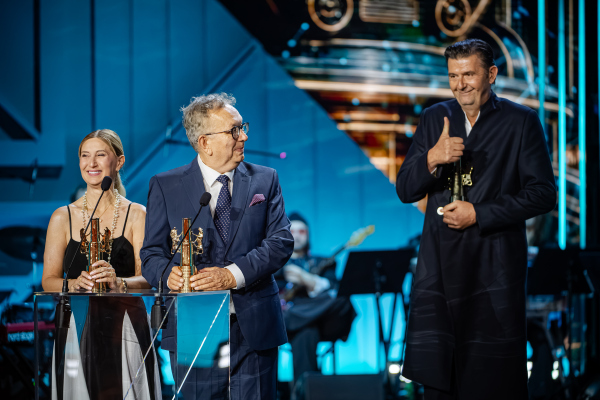 Closing Gala of the 51st Polish Film Festival – photo report
 -
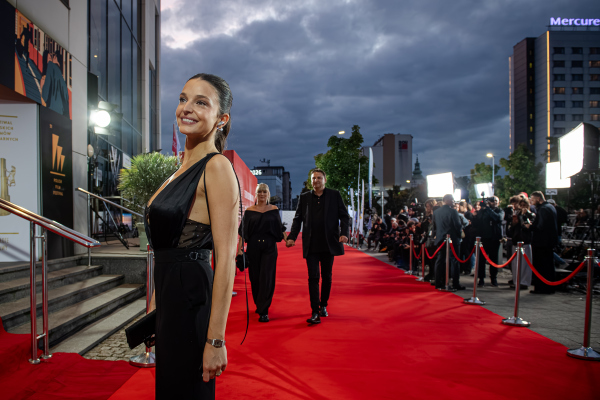 RED CARPET – photo report
 -
 Day six of the 51st PFF – photo report
 -
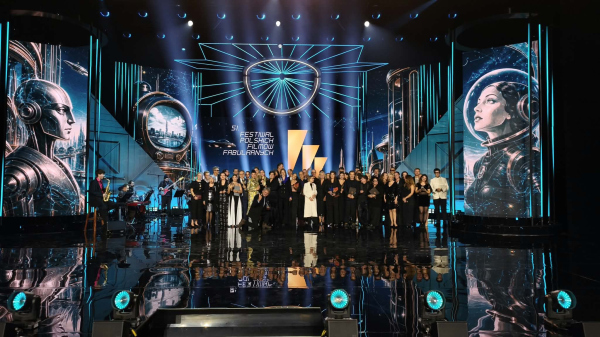 WINNERS OF THE 51ST PFF
 -
 What’s in store for today? SATURDAY
 -
 Festival Newspaper No 6
 -
 51st PFF Newsreel - Episode 5
 -
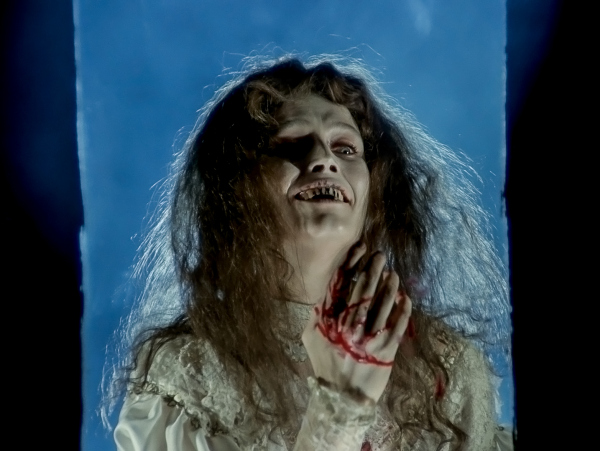 Horror lies underneath
 -
 The Apostles of Rock’n’Roll.
 -
 Notions of Intertextuality in the Cinema of Krzysztof Kieślowski
 -
 The architects of chaos. How do women backstage at the PFF save the celebration...
 -
 YOUNG GALA – photo report
 -
 Day five of the 51st PFF – a photo report on festival life and accompanying...


