

Julia Henel
There are many fledgling film genres in Polish cinema. Horror, science fiction or a well-written romantic comedy - we still approach them with a hint of wariness and suspicion. Actually, they could use some help from a walking frame and we should keep our fingers crossed and sincerely hope that their first word won’t be in our mother tongue. Because usually the attempts of moving american patterns onto our ground end up with a painful failure and cringe.
So when we learn that Julia Rogowska’s debut is a dystopian melodrama, we struggle with the temptation to turn down the invitation to its premiere. After all, the last Polish science fiction film that we widely regard as a classic is Juliusz Machulski’s Sexmission (1983). Rogowska wasn’t even born at the time. We also assumed that there simply shouldn’t be any further attempts by Polish cinema to tackle this genre - why tempt fate and waste money? The Time that Never Came proves that we were very much mistaken.
Rogowska takes us into a reality where there is no longer any place for natural ageing. A groundbreaking geriatric treatment is invented, to which the vast majority of society submits without a second thought. Those who refuse it on moral, ideological or personal grounds are instantly marginalised and confined to special centres, isolated from the outside world. One such person is Sara (Agata Kulesza). It’s through her eyes that we view this sterile world, stripped of all authenticity.
We might expect everything we traditionally look for in a cinematic dystopia: flying cars, neon-lit darkness, robots replacing humans, or the complex technology of the future that we don’t understand yet. But The Time that Never Came doesn’t try to be bigger than it needs to be. And that is precisely why it works so well.
Dystopia is rooted in something we know all too well from our own everyday lives - the fear of ageing. The fear of gradually losing our physical abilities, of wrinkles appearing, of sagging skin, and of becoming painfully dependent on others. And above all -the finality of death. So there’s no need to construct an entirely new, oppressive world or spend a fortune on CGI to create a disturbing vision of the future. All you need to do is take one of the greatest, hidden fears of our modern world and consistently push it to the extreme. Suddenly, it turns out that this distant future isn’t so distant after all.
-
 Gazeta Festiwalowa numer 7
 -
 Październikowe odsłony „50 na 51”
 -
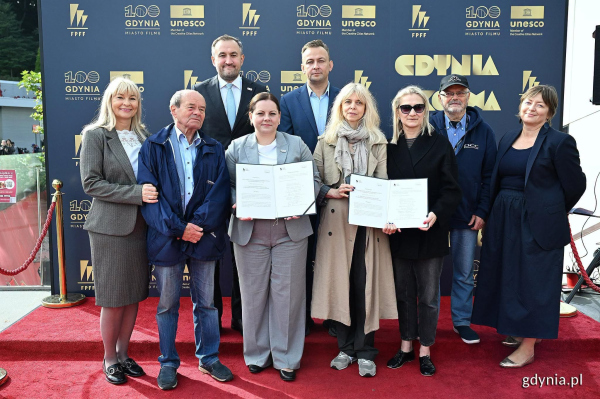 Srebrny Festiwal. FPFF dla osób starszych
 -
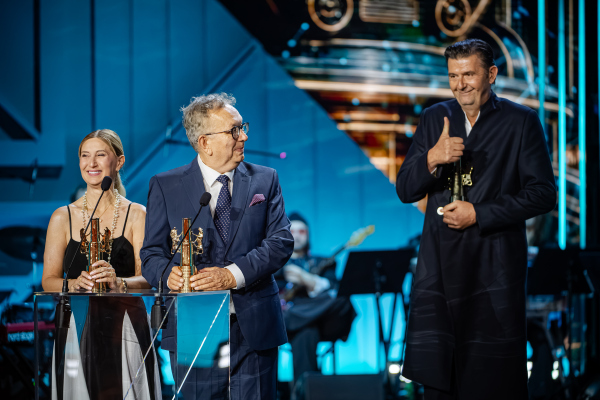 Closing Gala of the 51st Polish Film Festival – photo report
 -
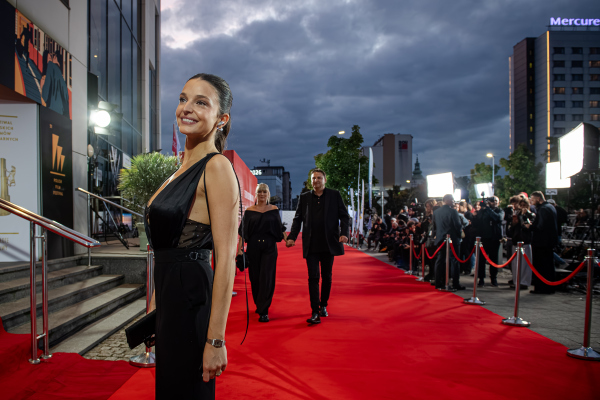 RED CARPET – photo report
 -
 Day six of the 51st PFF – photo report
 -
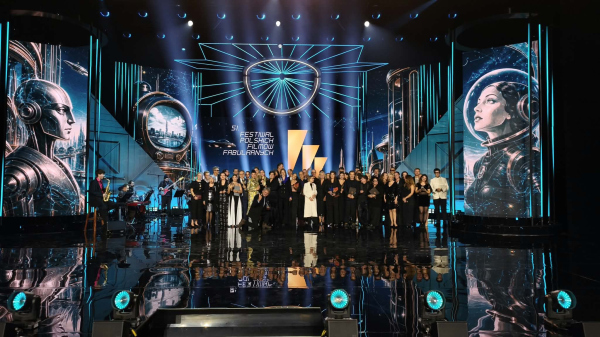 WINNERS OF THE 51ST PFF
 -
 What’s in store for today? SATURDAY
 -
 Festival Newspaper No 6
 -
 51st PFF Newsreel - Episode 5
 -
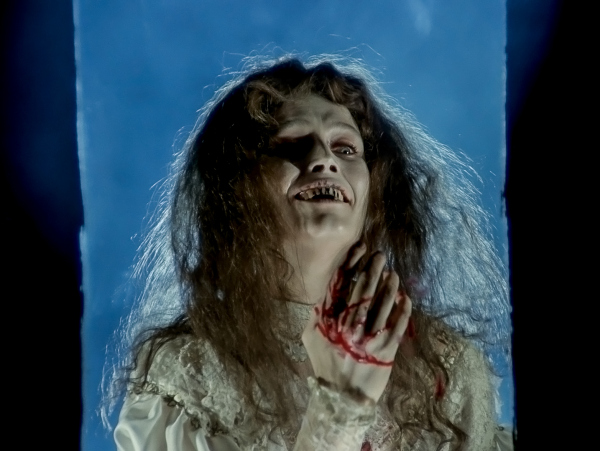 Horror lies underneath
 -
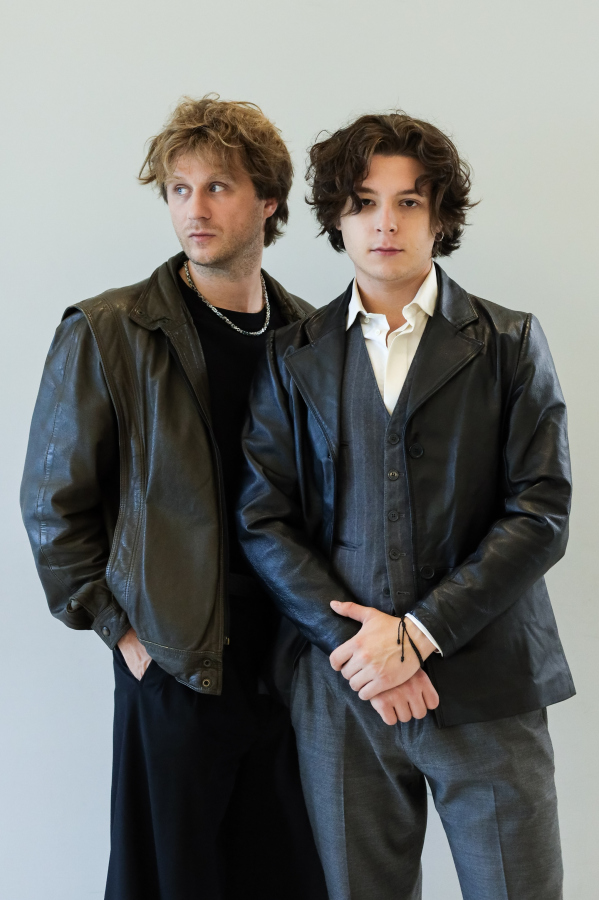 The Apostles of Rock’n’Roll.
 -
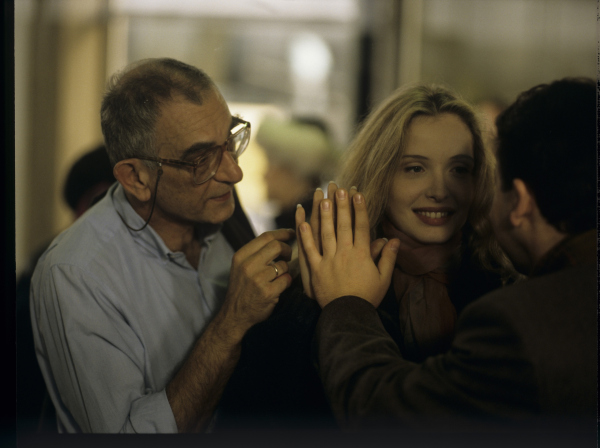 Notions of Intertextuality in the Cinema of Krzysztof Kieślowski
 -
 The architects of chaos. How do women backstage at the PFF save the celebration...
 -
 YOUNG GALA – photo report
 -
 Day five of the 51st PFF – a photo report on festival life and accompanying...


