

Weronika Zarzecka
When a thirty-year-old Mila, whose twitches and inner monologue sound like a mix of Marek Koterski’s prose and darkest fears from Instagram, finds herself by the Polish sea with a mission to overcome poles and mean voices in her head, something like an unforced, honest fun comes into Polish debuts’ screening rooms.
Sonja Orlewicz-Zakrzewska works on a theme that would become a preachy bore about self-acceptance in the hands of a less skillful filmmaker. Meanwhile, this story is interestingly warm and funny, thanks to Mila, who as a perfect representative of Y Generation, struggles with toxic, persevering overthinking. Despite having a scenario for every situation, the thought of being judged petrifies her.
We meet her just before her departure for a pole dance training camp, where (please note!) a) she doesn’t know anybody because her friend didn’t go with her b) she doesn’t like herself very much c) Bartosz Bielenia, playing her boyfriend, seems to be supporting her but it’s only an impression. Let’s add to that fabulous, latex platform shoes and a baggage full of complexes from the past, with which she has to get off in the middle of this foreign land, and we are left with our thoughts and prayers for her. Girls at the training camp seem loud, living in la-la Land, coming from a different world. The deeper Mila goes into the camping forest, the faster crack the shells of prejudice. Instead of awkward dodges or rivalry, a thread of understanding and silent solidarity appears between them. Because each and every one of us has some sort of baggage on our back.
Visually-wise, it works thanks to the accurate self-awareness. Orlewicz-Zakrzewska knows when to give viewers a wink. The structure of the film plays with itself - Mila’s inner voice may be a little annoying at first but later it catches the right rhythm. However, it’s not even.
Sometimes it gets better, sometimes it gets worse. But when it gets better… it really is better.
Since the story revolves around this pole, it’s worth mentioning that modern cinema is greatly tempted to turn the female body into a symbol. To make every period of fatigue, every bruise and stretch mark an evidence of societal equity. It takes only one false tone, one too high and mighty dialogue about “finding oneself” to make all this honesty turn into mere theory.
-
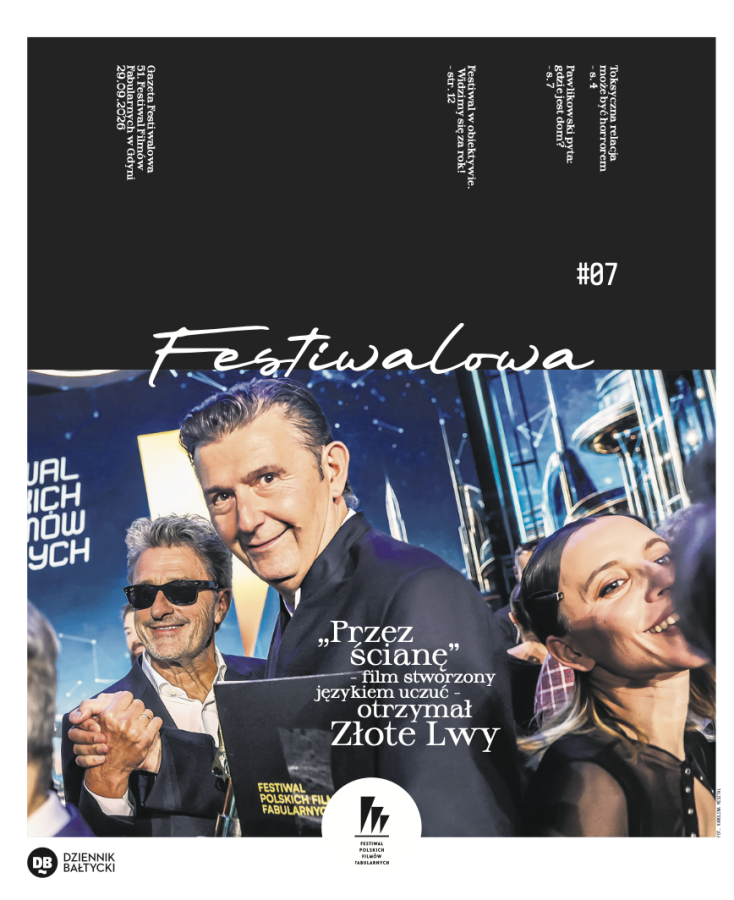 Gazeta Festiwalowa numer 7
 -
 Październikowe odsłony „50 na 51”
 -
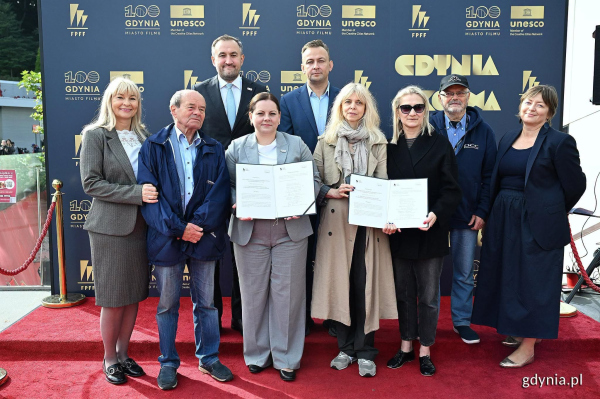 Srebrny Festiwal. FPFF dla osób starszych
 -
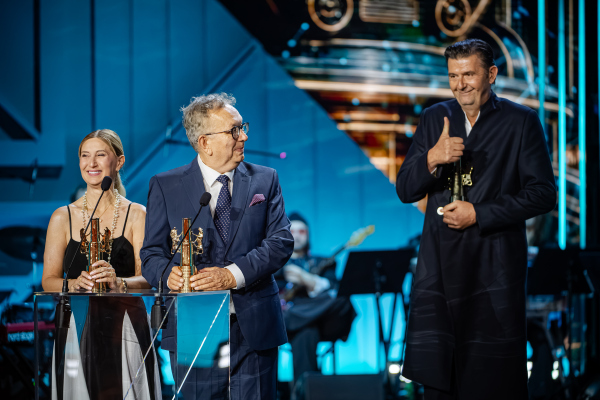 Closing Gala of the 51st Polish Film Festival – photo report
 -
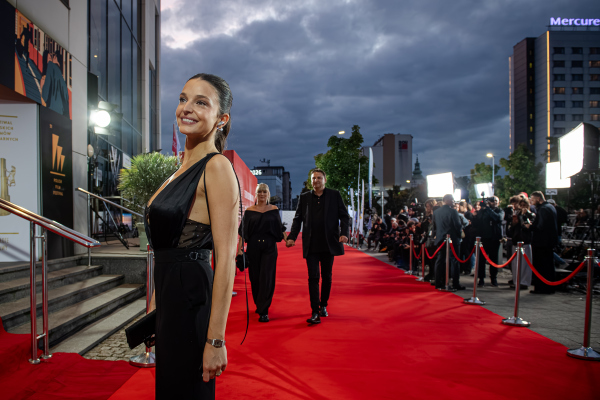 RED CARPET – photo report
 -
 Day six of the 51st PFF – photo report
 -
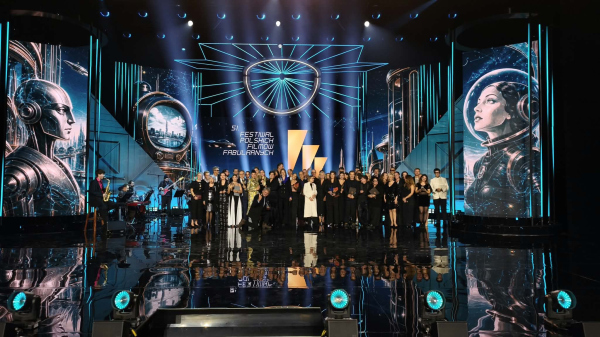 WINNERS OF THE 51ST PFF
 -
 What’s in store for today? SATURDAY
 -
 Festival Newspaper No 6
 -
 51st PFF Newsreel - Episode 5
 -
 Horror lies underneath
 -
 The Apostles of Rock’n’Roll.
 -
 Notions of Intertextuality in the Cinema of Krzysztof Kieślowski
 -
 The architects of chaos. How do women backstage at the PFF save the celebration...
 -
 YOUNG GALA – photo report
 -
 Day five of the 51st PFF – a photo report on festival life and accompanying...


