

– You need to know your history. Then you can look at the present and not be so easily taken in by manipulators, populists and opportunistic fools – says Jan Holoubek, director of the film Wild, Wild East, which opened this year’s festival.
Radosław Czyż
Radosław Czyż: What was it like in Toronto?
Jan Holoubek: Brilliant. A brilliant, huge festival, a brilliant atmosphere, a brilliant audience. It was intense, but I really enjoyed it.
What emotions accompanied the first screening?
It’s a big deal. When you’ve been working on something for several years and then present it to a large audience – over five hundred people – for the first time, you can’t help but feel emotional. It’s not even about nerves; it’s more a sense of excitement.
When you’re sitting amongst the audience in a cinema, those people become, in a way, a sort of medium. Watching your own film in this way is probably the only time when you can step outside yourself, sit alongside it and view the film more objectively.
Did it make a difference that it was an international audience rather than a Polish one?
I tried to put myself in the shoes of a viewer who isn’t necessarily familiar with our regional contexts. They might experience the film primarily through the plot and have to work out for themselves what the conflict is about – for example, an ethnic one.
But I think the film has stood up to scrutiny. Of course, it wasn’t understood on all the levels that we in Poland will debate and comment on. But perhaps that means it’s being viewed more objectively?
They say it’s a western, but there are also elements of film noir and period drama. Is it a genre film?
It’s certainly a genre film, but I’m not sure if it can be pigeonholed as just a western. It incorporates elements from various genres.
I’ve heard people say there are far too many of them. Do you feel you’ve lost your way within them?
I don’t feel as though any of the threads have slipped through my fingers. Everything is a conscious choice. From my perspective, the film has turned out exactly as I wanted it to. It may not be exactly as I imagined it, but it’s close to what I liked so much about the script.
Did you first read it about ten years ago?
Even earlier than that, in 2013 or 2014. I can’t remember exactly.
How much has it changed since then?
Nothing that would alter the meaning of the text. It was more expansive; it began in Warsaw and ended across the ocean… It was a more elaborate story. However, its essence remained what Aleksandra Takuska had included in the original screenplay – and what had so captivated me about it.
Was the Ukrainian storyline in the script from the start? I’m asking because, inevitably, we’re now adding the current context to it. The war means we interpret certain things differently.
However, we are telling the story of events that took place back then. The film relates to the present day, primarily in the context of the rise of nationalism and xenophobia, both in Poland and in Europe as a whole.
The Ukrainian hero has his own mission and his own cause. I support him in the sense that I know he, too, has a point. He speaks of the need for his country to be enclosed within its borders, and that is what he is fighting for. That has not changed to this day. For those who know their history, it is important to realise that our Polish-Ukrainian affairs have stretched back over tens, even hundreds, of years and were already making themselves felt before the war. They reached their climax when the horror of the Second World War swept across Europe.
Despite our difficult history, I stand with Ukraine. I believe that this country is heroic, that it deserves freedom, independence and a place within the European community.
-
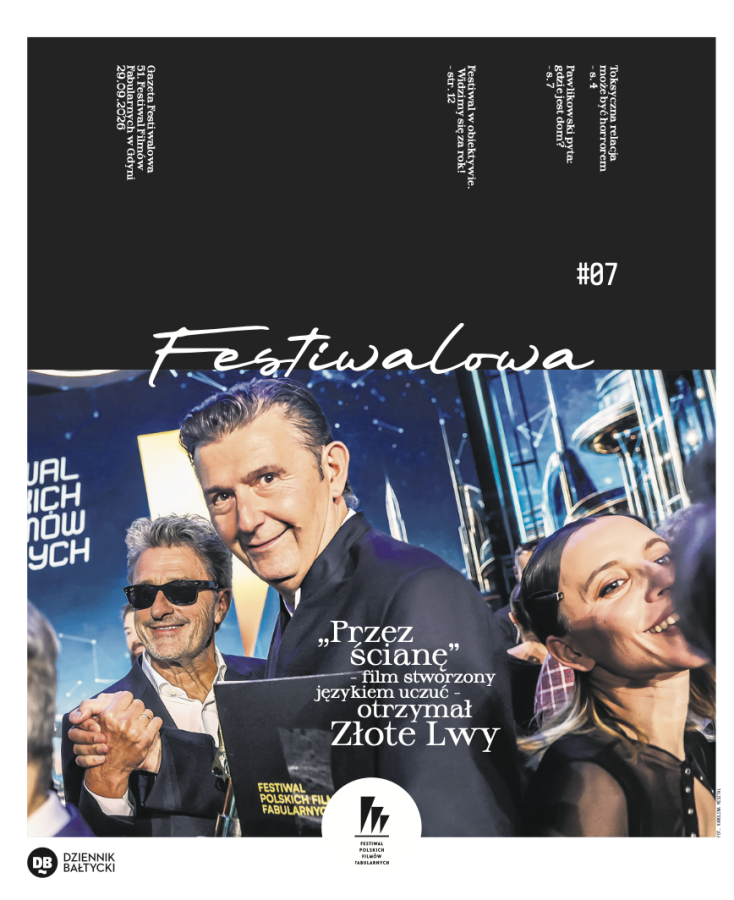 Gazeta Festiwalowa numer 7
 -
 Październikowe odsłony „50 na 51”
 -
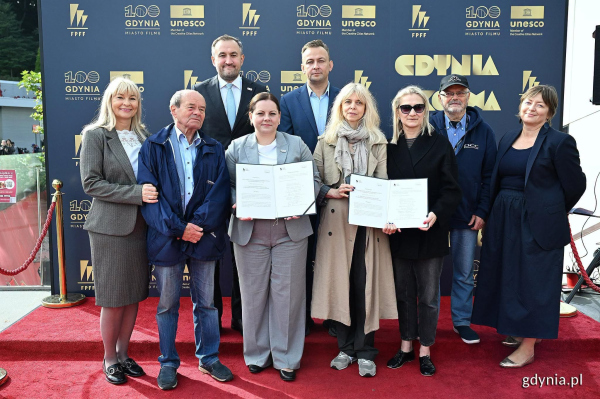 Srebrny Festiwal. FPFF dla osób starszych
 -
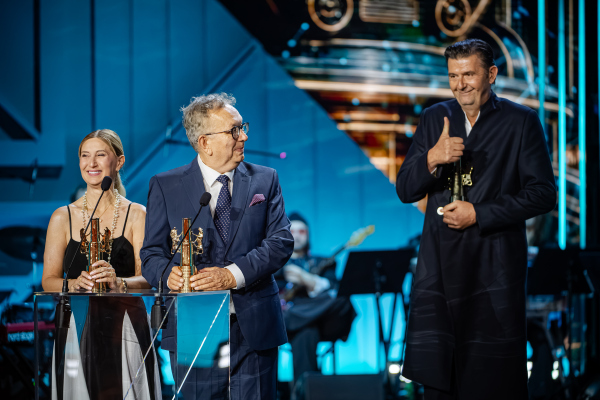 Closing Gala of the 51st Polish Film Festival – photo report
 -
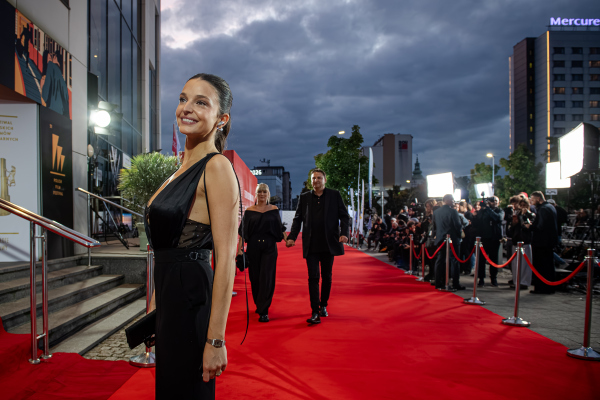 RED CARPET – photo report
 -
 Day six of the 51st PFF – photo report
 -
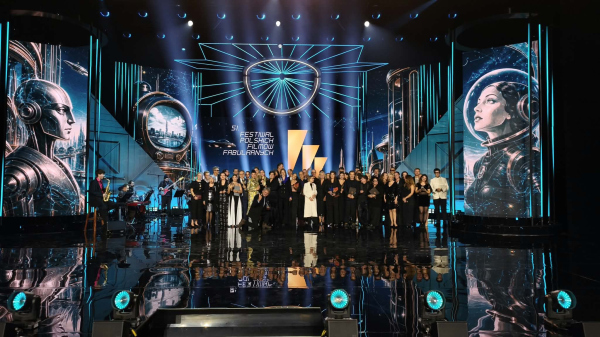 WINNERS OF THE 51ST PFF
 -
 What’s in store for today? SATURDAY
 -
 Festival Newspaper No 6
 -
 51st PFF Newsreel - Episode 5
 -
 Horror lies underneath
 -
 The Apostles of Rock’n’Roll.
 -
 Notions of Intertextuality in the Cinema of Krzysztof Kieślowski
 -
 The architects of chaos. How do women backstage at the PFF save the celebration...
 -
 YOUNG GALA – photo report
 -
 Day five of the 51st PFF – a photo report on festival life and accompanying...


