

‘A talent is not needed for editing. Flair is’ - says Halina Prugar-Ketling, a distinguished film editor, the laureate of Platinum Lions at the 51st Polish Film Festival in Gdynia.
Mateusz Demski
The first thing that catches one's attention are carpets. They do not lie on the floor, as per usual, but hang just below the ceiling. Each of them is embroidered by hand. They form detailed patterns.
She began to weave when she retired but her numerous talents revealed themselves already in her youth. She wanted to enrol for architecture or drama but eventually she chose Polish Philology.
Her sitting behind the editing table was a coincidence.
Today, Halina Prugar-Ketling is considered one of the most distinguished film editors in the history of Polish cinema.
“It was right after the Warsaw Uprising,” she reminisces. “Back then, our family was living in the Praga district. My uncle was a captain in Parasol or Zośka, I can’t remember anymore, he lived with us on and off. One day, his report, a young soldier from Łódź who was in touch with a Film Company, came to him. The soldier asked if I would like to have a job in the company since the Polish Film Chronicle was going to move to the capital.”
And that is how it all started. At first she had worked as an assistant editor but not long after she got promoted to the position of Wacław Kazimierczak and Ludmiła Niekrasowa’s assistant. At that time, there wasn’t any film school in Warsaw, no one knew anything, no one had a diploma. Professors such as Wohl, Bohdziewicz, Bossak came to them from Łódź, in order to give them lectures.
There were six girls in the room. Each of them had to work on the same theme, they had to come up with something really quick. She was nineteen when she was proclaimed the editing prodigy.
However, the second World War had broken out before that happened.The day the Warsaw Uprising started, several young men with weapons came into their flat. They found her on the floor, where together with a friend she sewed clothes for dolls. One of the men simply asked how to get on the balcony.
She was just fifteen when she decided to fight in Warsaw’s defence. Her father was a part of a conspiracy group. Before the Uprising, she leafleted in the city not knowing what was in the air. She didn’t have any medical training but when everything started, together with the same friend she once dressed dolls with, she would dress wounds of the injured in basements.
-
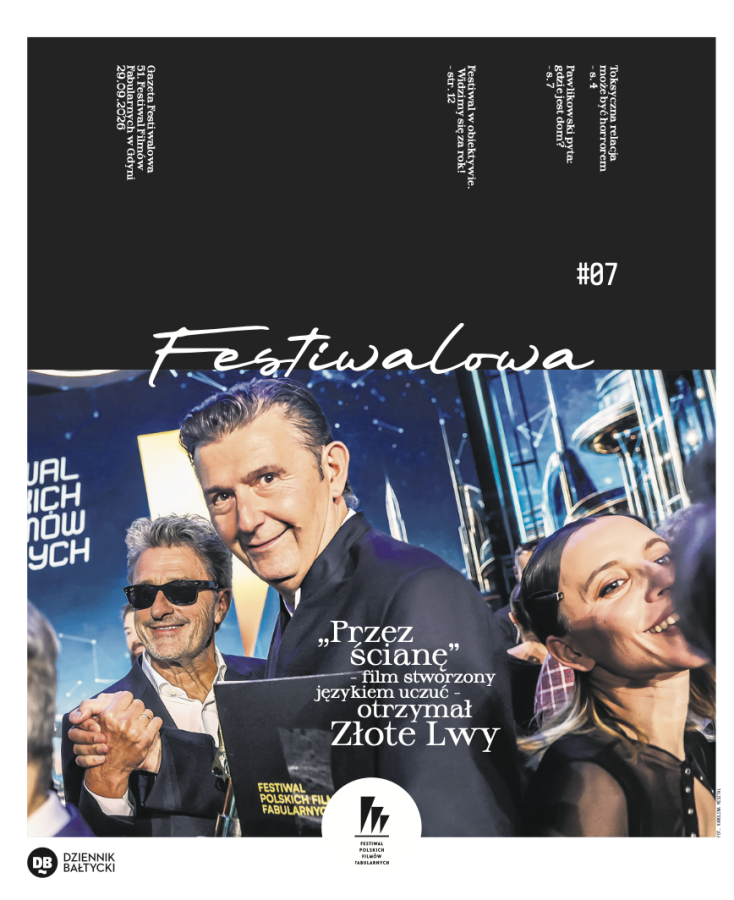 Gazeta Festiwalowa numer 7
 -
 Październikowe odsłony „50 na 51”
 -
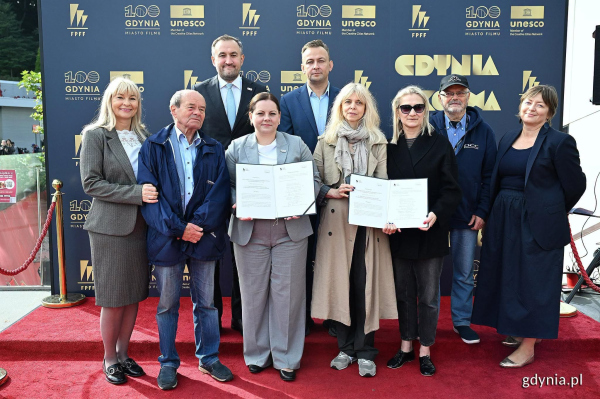 Srebrny Festiwal. FPFF dla osób starszych
 -
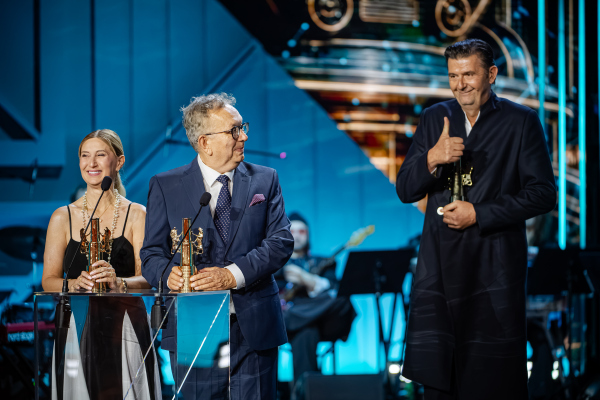 Closing Gala of the 51st Polish Film Festival – photo report
 -
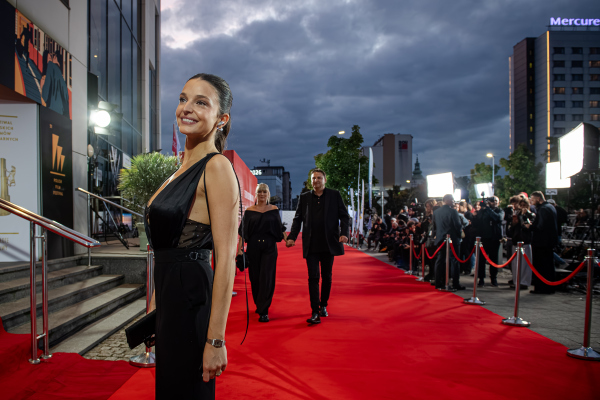 RED CARPET – photo report
 -
 Day six of the 51st PFF – photo report
 -
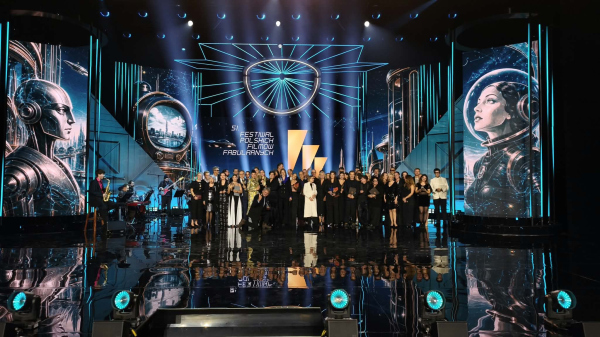 WINNERS OF THE 51ST PFF
 -
 What’s in store for today? SATURDAY
 -
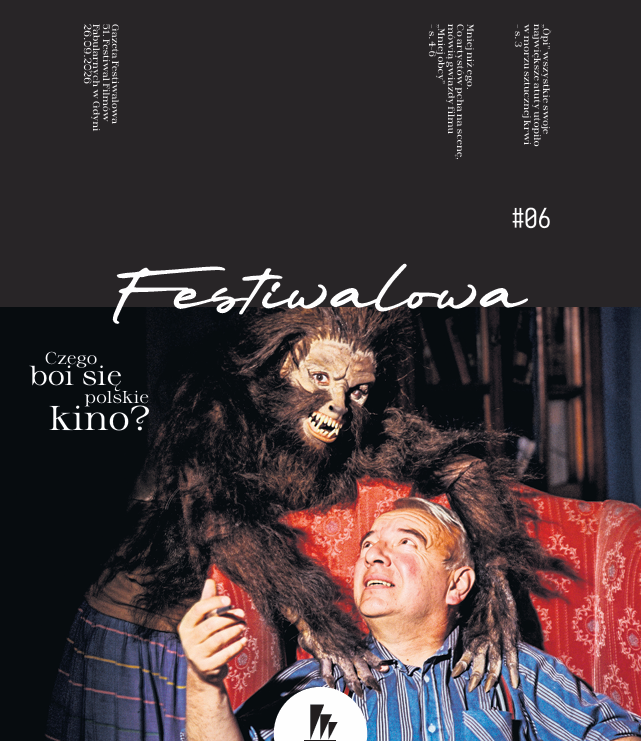 Festival Newspaper No 6
 -
 51st PFF Newsreel - Episode 5
 -
 Horror lies underneath
 -
 The Apostles of Rock’n’Roll.
 -
 Notions of Intertextuality in the Cinema of Krzysztof Kieślowski
 -
 The architects of chaos. How do women backstage at the PFF save the celebration...
 -
 YOUNG GALA – photo report
 -
 Day five of the 51st PFF – a photo report on festival life and accompanying...


