

We don’t need another Andrzej Wajda. He was, after all, one of a kind. What we really need is his curiosity and fascination with the world surrounding him.
Everything for Sale, Andrzej Wajda’s avant-garde film, tells a story of a character without him actually appearing in it. Everything circles around the Actor - a person with no face and no name, the lack of which (and an unexpected death) changes the lives of people around him. They’re an actress and the Actor’s wife - Ela (Elżbieta Czyżewska), a director called Andrzej (based on Wajda himself but played by Andrzej Łapicki) shooting a new film and Beata (Beata Tyszkiewicz).
A tribute to Zbyszek Cybulski and simultaneously an attempt to reconcile with his tragic passing, is a very significant choice made by the festival, corresponding with Wajda’s jubilee year. Just like on its premiere date, Everything for Sale became a way of an artistic compensation by enabling a shared mourning of an iconic celebrity, in the year of state celebration of Wajda’s work it becomes a story about the absence of Wajda himself. The absence of which a great shadow stretches out over domestic cinematography.
It’s not just about the shadow casted by an institution, whose influence on Polish industry is undeniable - with Wajda School on top, appearing in CVs of many people, who made films present in the programme of this year’s edition. The director’s absence is visible predominantly in terms of artistic values. It’s exposed in film criticism, telling about the abandonment of political cinema or in reflection over the shortcoming of crucial book adaptations (except for Lalka). This phenomenon is noticeable even despite the fact that after 1989 Wajda has never measured up to his own work level from difficult conditions of the Polish People’s Republic.
Declarative cinema
Of all Wajda’s versions as a director, either a more subtle or a more enriched with history one, or even a version reaching out for great literary works - I regarded his version of an ideational cinema the most. The cinema, which in recent years has been represented by Agnieszka Holland’s films, Mary Tamkovich’s debut or last year’s, undeservedly unnoticed Capo by Robert Kwilman.
There aren’t many examples because in Poland, a cinema so nested in a certain vision, worldview, coming from the inside, is no longer made. Cinema of moral anxiety isn’t the case, because its work was in correlation with democratic opposition growing in strength, from the Workers’ Defense Committee to the Solidarity movement.
The work of Without Anesthesia author was enriched with his views - independently of our own, we could agree with him or not, not only in artistic or casting contexts but also on the more important level - in the context of looking at the world surrounding us. That’s the reason I also admire The Promised Land, which criticises bloodthirsty capitalism, while simultaneously disputing post-transformational images.
-
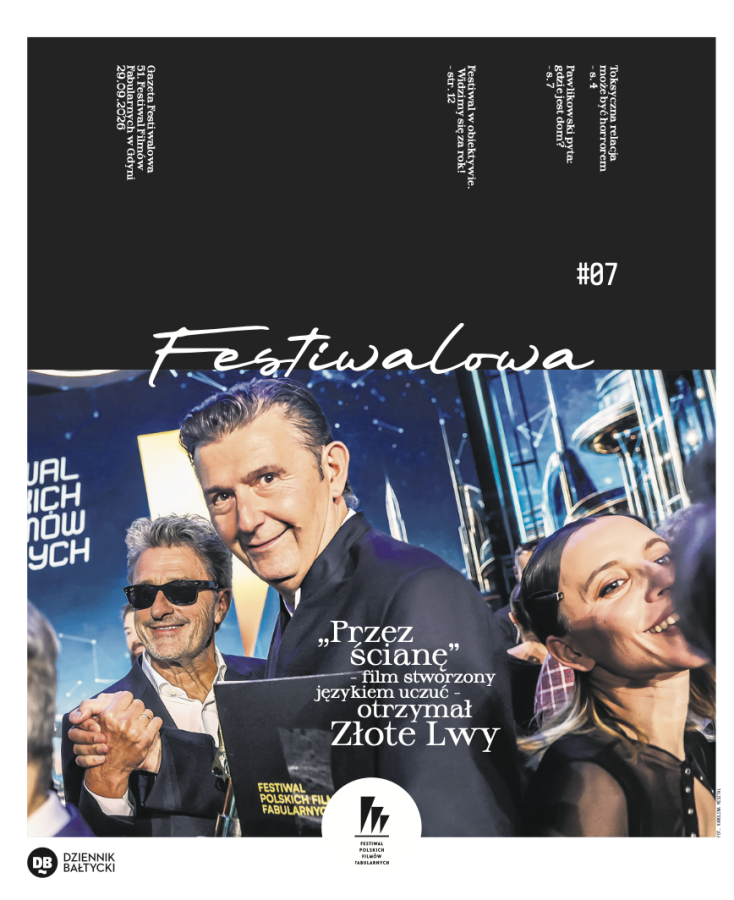 Gazeta Festiwalowa numer 7
 -
 Październikowe odsłony „50 na 51”
 -
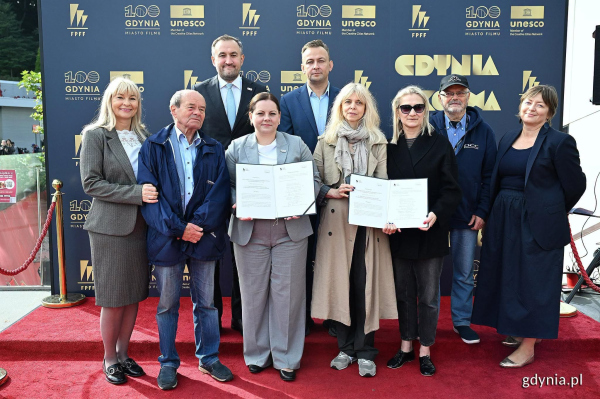 Srebrny Festiwal. FPFF dla osób starszych
 -
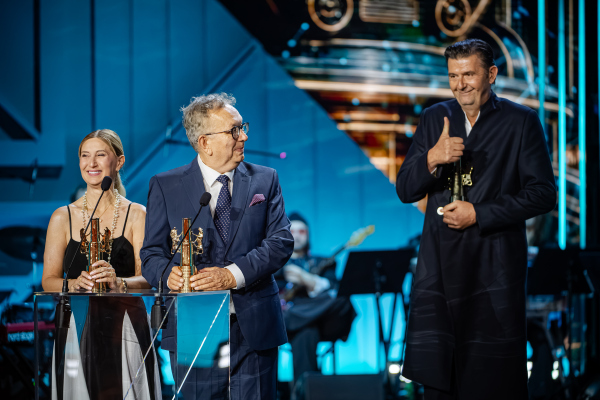 Closing Gala of the 51st Polish Film Festival – photo report
 -
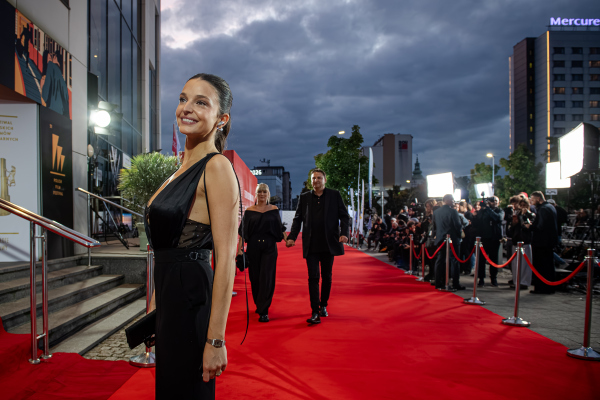 RED CARPET – photo report
 -
 Day six of the 51st PFF – photo report
 -
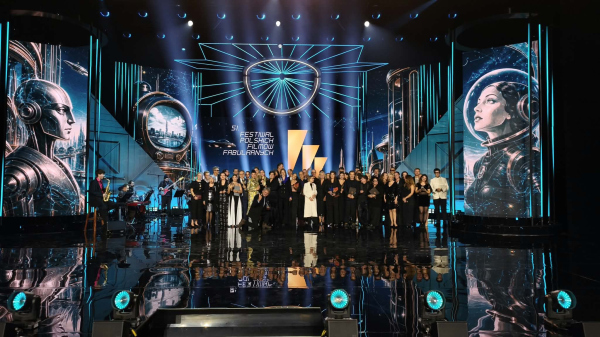 WINNERS OF THE 51ST PFF
 -
 What’s in store for today? SATURDAY
 -
 Festival Newspaper No 6
 -
 51st PFF Newsreel - Episode 5
 -
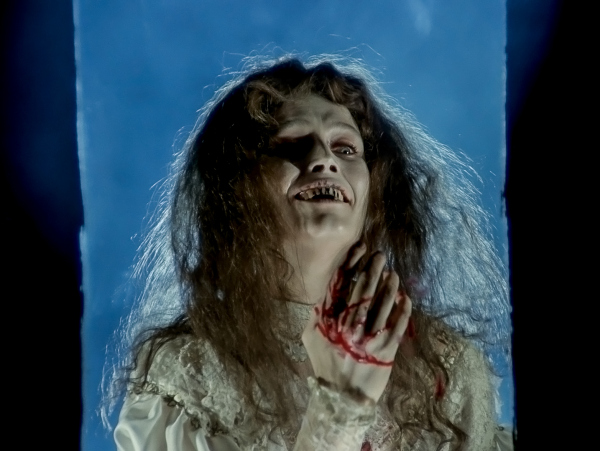 Horror lies underneath
 -
 The Apostles of Rock’n’Roll.
 -
 Notions of Intertextuality in the Cinema of Krzysztof Kieślowski
 -
 The architects of chaos. How do women backstage at the PFF save the celebration...
 -
 YOUNG GALA – photo report
 -
 Day five of the 51st PFF – a photo report on festival life and accompanying...


