
Julia Henel
It’s hard to describe one’s feelings after watching ÒPI by Marta Giec. To put it briefly: a wasted potential. And that’s a pity. Because ÒPI has everything to at least try to scare us with something more than just with a cut-off head, hectolitres of blood and scream. There’s a kashubian legend, religious fanaticism, a mother, who instead of giving her daughter security, transforms their home into a prison. There’s also a girl, who has been living with nightmares so real that they start to haunt her in reality.
ÒPI is a story about Krysia (Wiktoria Kruszczyńska), who a day before her eighteenth birthday decides to run away from her home. It’s not an ordinary teenage rebellion. The girl wants to escape her mother (Gabriela Muskała), who is a religious fanatic, with whom she has been living in a world of prayers, bans and punishment. Her plan goes astray when her aunt (Magdalena Boczarska) and grandmother (Iwona Bielska), whom Krysia has never met before, show up at their front door. Her mother ran away from her family home just a day after Krysia’s birth and for many years has cut her and herself off from her past.
And exactly her past is the most interesting thread in ÒPI. Giec waits with showing us all horror attractions. Firstly, she builds a stuffy atmosphere of the house. We see a manic mother obsessed with religiousness and a daughter living a constant nightmare. Two extremes. God and the Devil. Faith and fear. Krysia suffers from sleep paralysis and experiences nightmares, in which she is tortured. Later, she puts what she had seen on paper, drawing other creatures and ghosts.
In the house everything has to follow the rules. The mother sits and prays most of her time, putting the majority of responsibilities on her daughter. Any mistake can end with a punishment. And here’s something I consider one of the most interesting ideas in the film. Religion isn’t just a background of the story - it’s a tool to build terror. And there’s something very Polish in it. Our cinema has used religiousness as a part of our tradition many times but rarely does it try to make us really fear it. ÒPI proofs that the potential is huge. Especially, when religiousness stops being a character's private matter and starts organising her life.
-
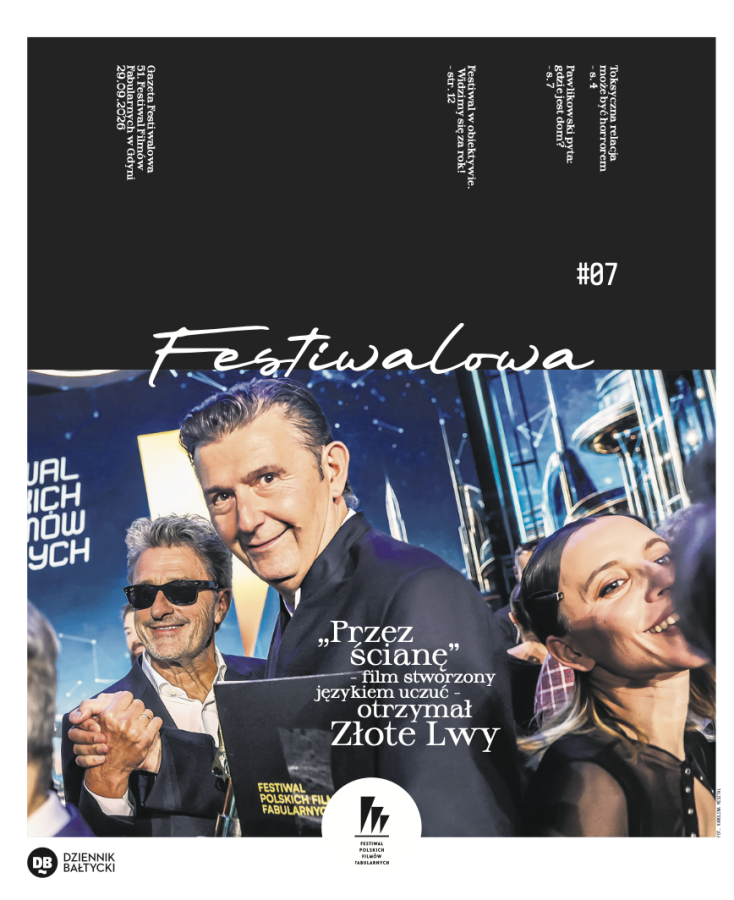 Gazeta Festiwalowa numer 7
 -
 Październikowe odsłony „50 na 51”
 -
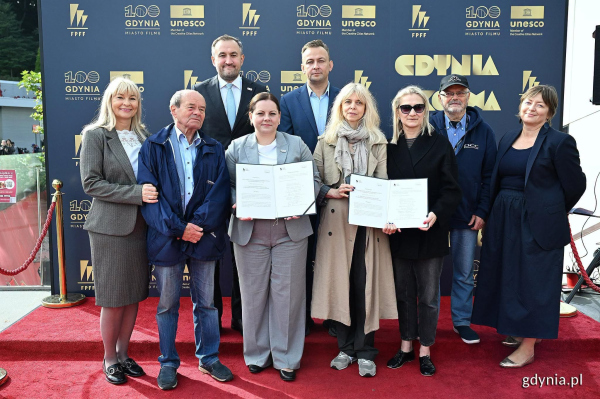 Srebrny Festiwal. FPFF dla osób starszych
 -
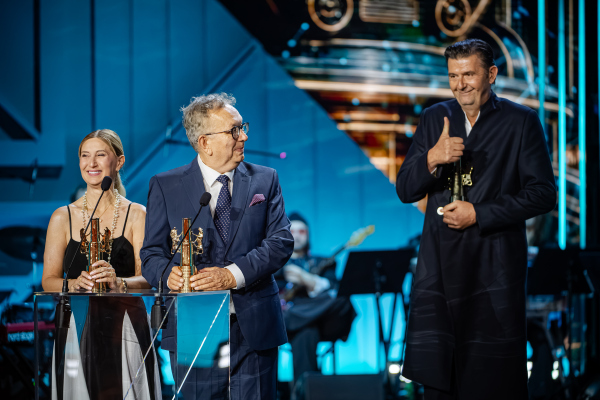 Closing Gala of the 51st Polish Film Festival – photo report
 -
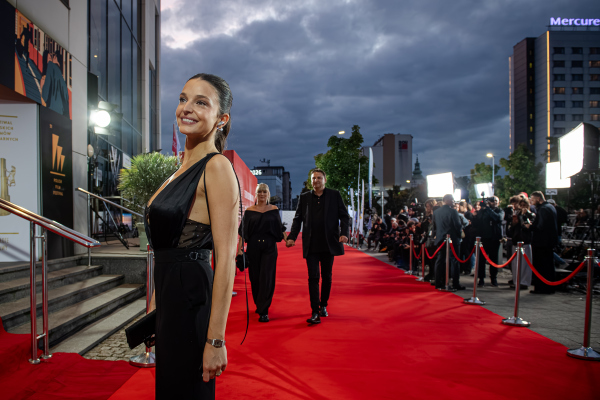 RED CARPET – photo report
 -
 Day six of the 51st PFF – photo report
 -
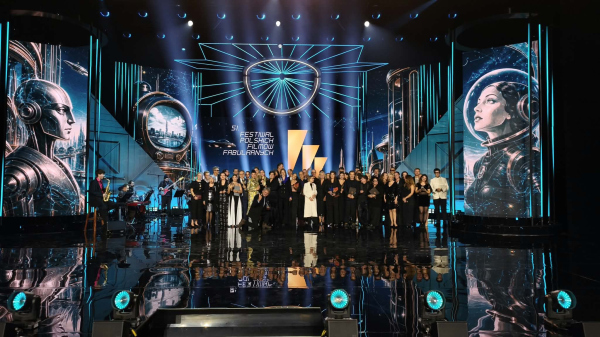 WINNERS OF THE 51ST PFF
 -
 What’s in store for today? SATURDAY
 -
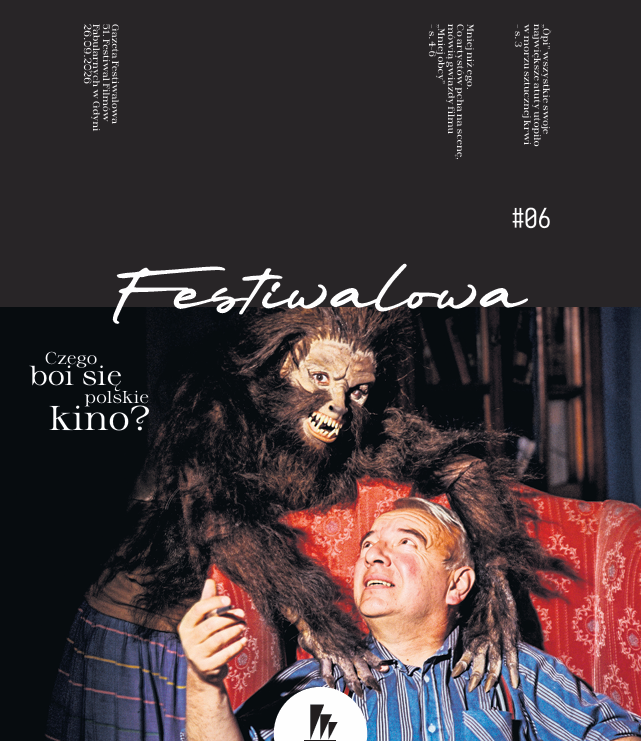 Festival Newspaper No 6
 -
 51st PFF Newsreel - Episode 5
 -
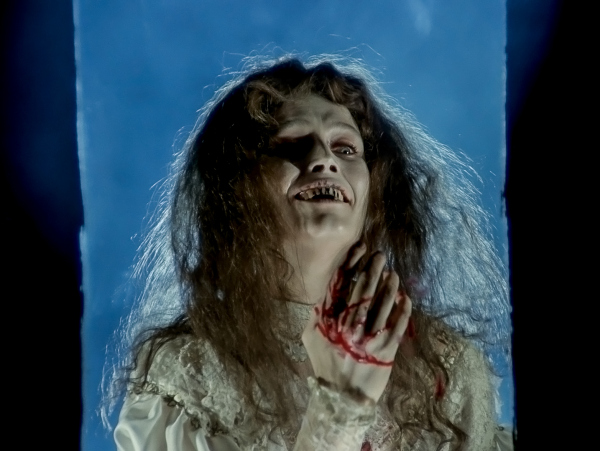 Horror lies underneath
 -
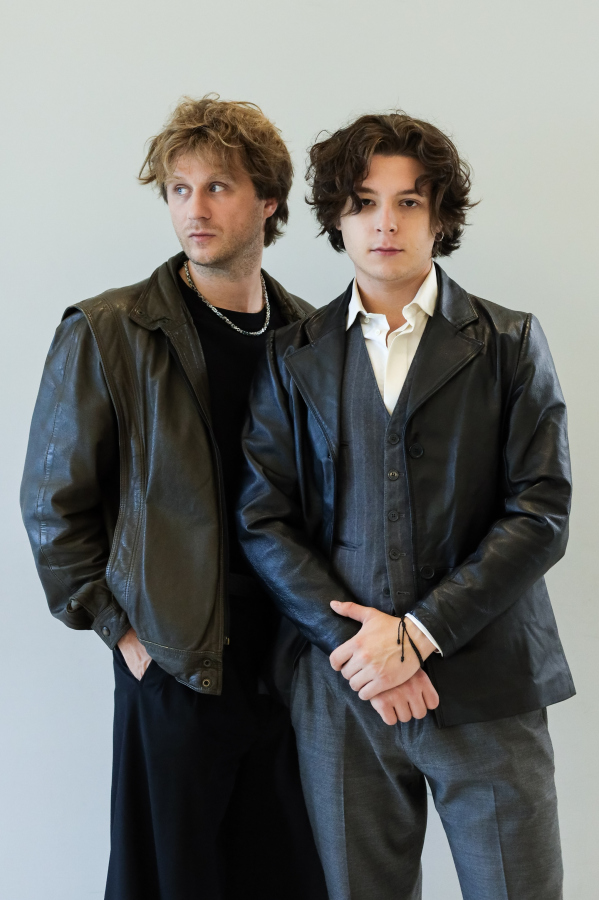 The Apostles of Rock’n’Roll.
 -
 Notions of Intertextuality in the Cinema of Krzysztof Kieślowski
 -
 The architects of chaos. How do women backstage at the PFF save the celebration...
 -
 YOUNG GALA – photo report
 -
 Day five of the 51st PFF – a photo report on festival life and accompanying...


