One of the largest and most distinctive sections of the 51st PFF, curated by leading figures in Polish cinema: Krzysztof Kieślowski, Tadeusz Konwicki, Barbara Sass and Andrzej Wajda.
-
Reflections on Krzysztof Kieślowski, Tadeusz Konwicki, Barbara Sass and Andrzej Wajda will serve as the starting point for the debate For Something, for Someone. Social Responsibility of the Polish Culture. Leszek Dawid, Paulina Kwiatkowska and Wojciech Marczewski will take part in the discussion, which will be moderated by Marta Stańczyk (‘Ekrany’).
-
-
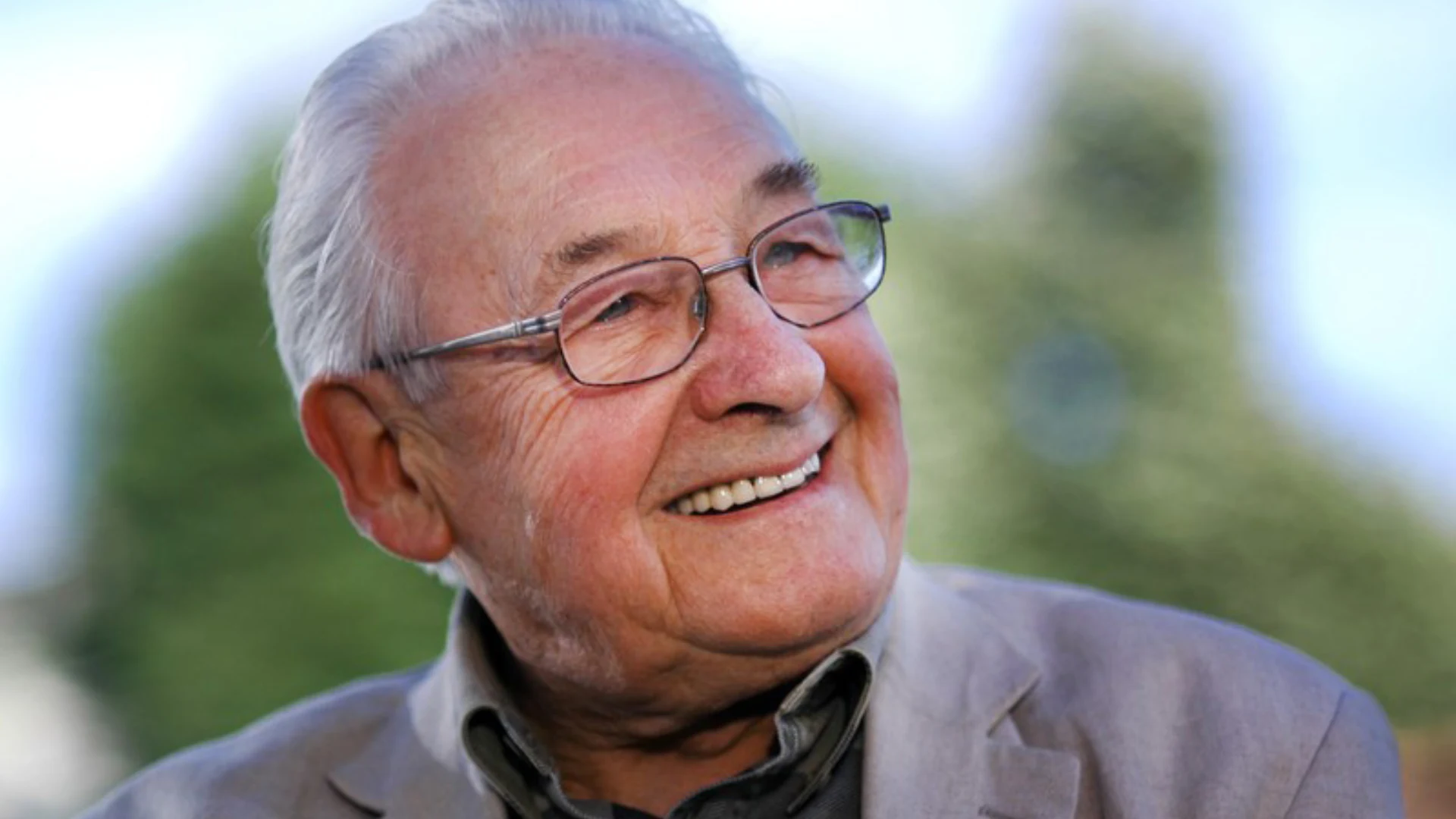
ANDRZEJ WAJDA
Andrzej Wajda – a social activist, a citizen, but also a director who was young at heart, curious about the world and constantly searching. His Portrait will emerge from the story of an artist who never stood still and who boldly pushed the boundaries of his own cinematic language.
The programme for the 51st PFF includes a screening of the film Everything for Sale, followed by a special discussion between Professor Tadeusz Lubelski and film critic Michał Oleszczyk, in which they will examine Wajda as an experimental, innovative artist who constantly challenges conventional storytelling methods.
The screening of Joanna Rożen-Wojciechowska’s documentary I Dreamed the Future will, in turn, offer a glimpse of Wajda as a social activist and citizen for whom culture was always a sphere of responsibility and real influence. It is worth noting that this will be the Polish premiere of the film, and the screening will be followed by a meeting with the director Joanna Rożen-Wojciechowska, Tadeusz Lubelski, Agnieszka Morstin and Agnieszka Holland.
The film programme will be complemented by events accompanying the 51st PFF:
- a concert of music from Andrzej Wajda’s films, “Wajda – Music”. Adam Sztaba & Adam Sztaba Orchestra, produced by the National Centre for Culture. We will hear compositions by artists such as Wojciech Kilar, Andrzej Korzyński, Jan Krenz, Krzysztof Penderecki, Krzysztof Komeda and Andrzej Markowski, as well as themes from Kanal, Ashes and Diamonds, The Wedding, Danton, down to Man of Marble.
- reading of an Unrealized Screenplay by Andrzej Wajda: "We Are Alone in the World" produced by the National Film Archive – Audiovisual Institute, directed by Michał Zdunik.
- exhibition “Andrzej Wajda: Recollection”, featuring photographs by Renata Pajchel, offering an encounter with a director who always felt at home at the PFF – in his natural element, amongst people who spoke the same language.
- exhibition “Wajda Anew: Supplement”, a series of posters by Andrzej Pągowski for TVP’s Television Theatre productions directed by Wajda
This section of Portraits forms part of the celebrations marking the Year of Andrzej Wajda. Totalizator Sportowy is a partner of the events centred on Andrzej Wajda and the patron of the 51st Polish Film Festival.
-
-
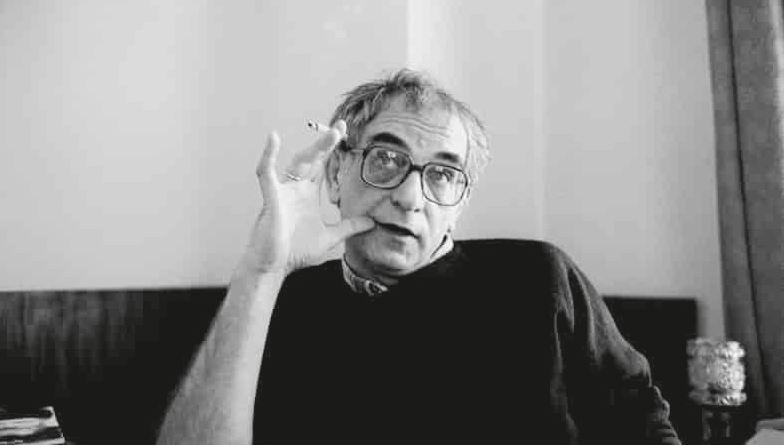
KRZYSZTOF KIEŚLOWSKI
We will commemorate Krzysztof Kieślowski 30 years after his death. We will reflect on the significance of his metaphysical and philosophical cinema in Poland and its reception abroad. We will watch the film No End and listen to a talk by film critic Michał Piepiórka. The screening will also pay tribute to Krzysztof Piesiewicz, who passed away this year, and to one of the most important screenwriter-director duos in Polish cinema. The choice of No End is no coincidence – it was their first film together, marking the beginning of their creative journey.
We will be discussing the international reception of Kieślowski’s cinema in collaboration with FIPRESCI. We will screen A Short Film About Love, accompanied by a talk by Joanna Najbor. To provide context, we will also screen Asghar Farhadi’s Parallel Tales, a contemporary response to A Short Film About Love.
We will also be screening a cinematic tribute to Kieślowski by Stephen and Timothy Quay – Postscriptum. Ruminations on My Craft. This is a documentary-style piece combining memories, archive footage, film clips and original animation. Thanks to our collaboration with FIPRESCI, a contemporary interpretation of Kieślowski’s cinema and its influence on film, film criticism and contemporary culture will also be reflected in new essays by film critics from outside Poland. At the PFF, we will present these in the festival newspaper, and Letícia Alassë – the author of one of them – will be our guest and a speaker.
This look at Kieślowski’s work will be complemented by a screening of his documentary films.
We will be showing: From the City of Łódź, Refrain, From the Night Porter’s Point of View, Seven Women of Different Ages and Talking Heads. Film scholar Piotr Pławuszewski will guide us through this part of the director’s oeuvre.
-
-
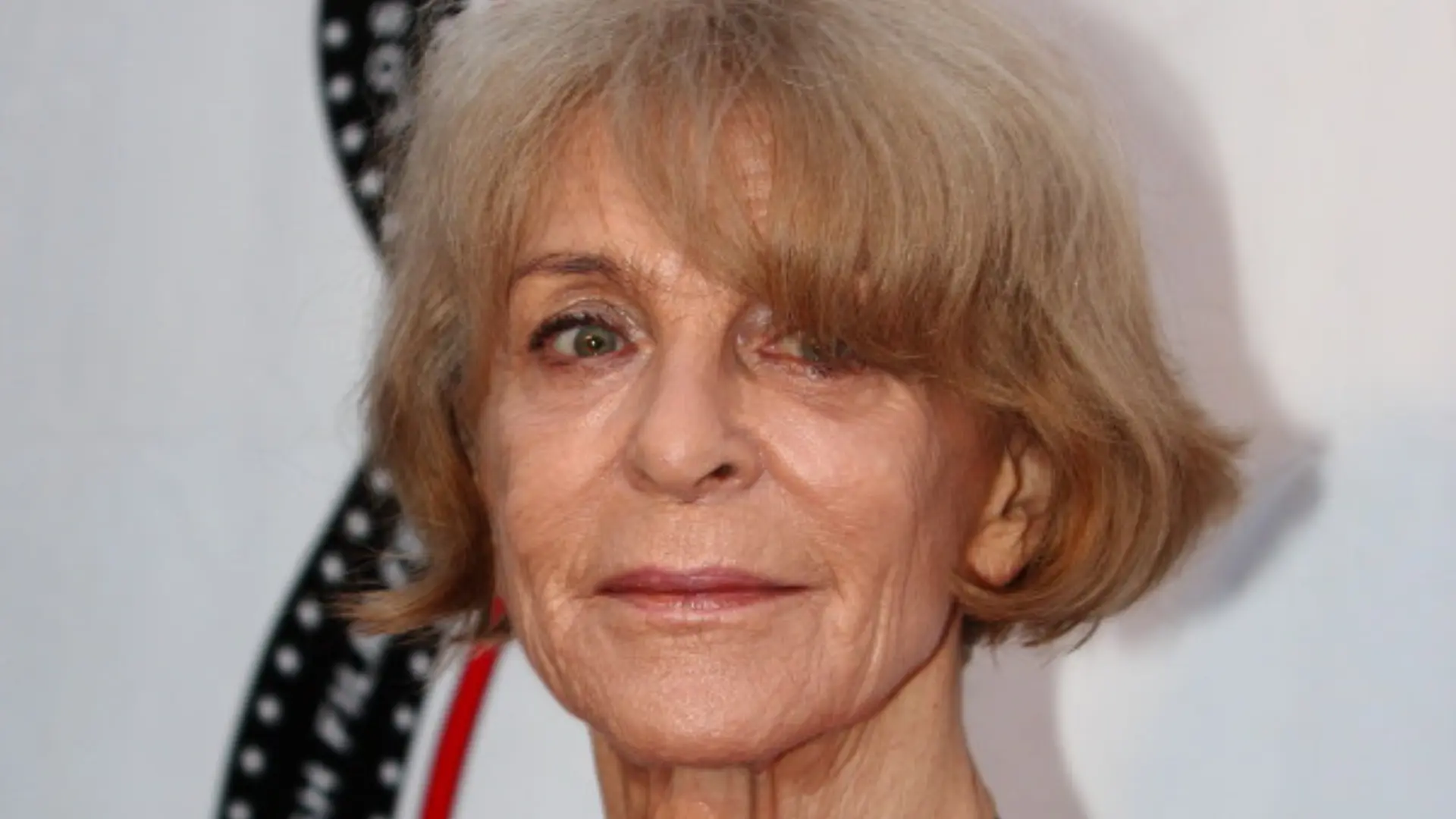
BARBARA SASS
The section, organised to mark the 90th anniversary of Barbara Sass’s birth, will feature screenings of two films – Scream, which concludes Barbara Sass’s early trilogy, and Nothing But Fear, from a later period of her career.
The screening of Scream will be followed by a discussion with Dorota Stalińska, who plays the lead role of Marianna – a young woman who, upon her release from prison, tries to regain control of her life whilst grappling with loneliness, social exclusion and violence. The discussion will be moderated by film critic Klara Cykorz, who, prior to the screening of Nothing But Fear, will also give a talk on the significance of Sass’s cinema and its reception – both past and present. The film will also prompt reflection on the unequal struggle against addictions and inner demons that prevent us from building relationships with other people.
-
-
TADEUSZ KONWICKI
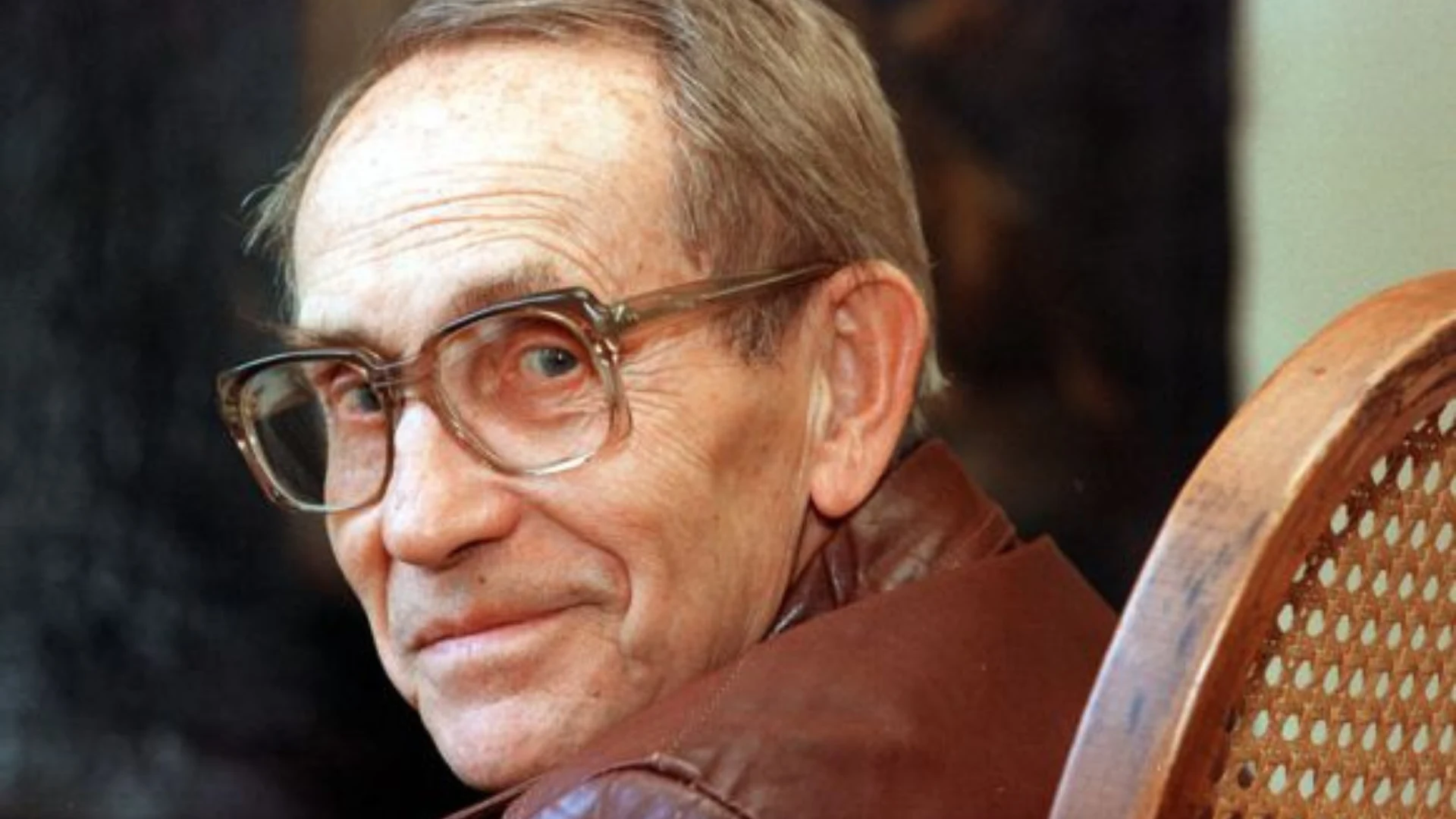
The latest instalment of Portraits has been produced to mark the 100th anniversary of Tadeusz Konwicki’s birth. An outsider artist who served as the nation’s conscience. A meticulous and sensitive director, writer and orator. As he himself said: I want to be a passer-by whom people encounter in life. And to wave to them, to give them a sign that there are others in the world, that they are not alone.
The programme features a screening of the outstanding Jump, one of the most important post-war films, dealing with fears, traumas, the search for identity, distorted memory and the afflictions of people living in post-war Poland. The film serves as a symbolic conclusion to the romantic myths of the Polish School. The screening will be preceded by a talk by film critic Maciej Kędziora.
The portrait of Konwicki will be enriched by his own voice, thanks to two documentaries – intimate, unhurried conversations with the director – Passer-by and Całkiem spora apokalipsa by Andrzej Titkow, in which the artist talks about life, art and his attitude towards history, reality and politics. It is his story about himself and the world around him.
